Helping Your Child Speak Confidently: Kids English Speaking Class SG
Introduction
As a parent in Singapore, you have probably noticed how much emphasis schools place on English. After all, English is the main language of instruction here. But what if your child understands English well but hesitates to speak?
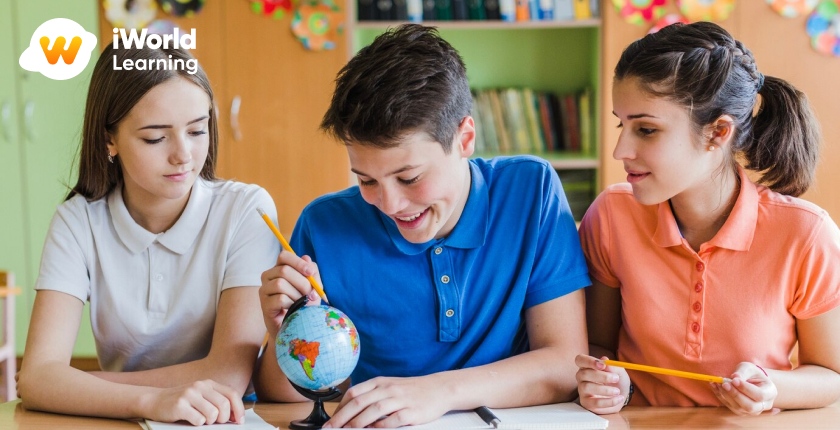
Many parents face this same situation. Their children can read and write decently. Yet when it comes to speaking out loud in class or with friends, they hold back.
This is why finding a good kids English speaking class SG has become a priority for many local families. These classes focus specifically on verbal communication. They help children move beyond just knowing words to actually using them naturally.
Let me walk you through what these classes offer. More importantly, let me help you figure out which approach might work best for your child.
A Common Situation Many Learners Face
Imagine this. Your eight-year-old comes home with good grades in English composition and comprehension. You feel relieved. But then you attend a parent-teacher meeting.
The teacher mentions that your child rarely raises their hand to answer questions. During group discussions, they stay quiet. When asked to read aloud, their voice drops to a whisper.
This is exactly what happened to Mei Ling, a mother of two living in Toa Payoh. Her son could ace his grammar worksheets. Yet during English show-and-tell sessions, he froze. She knew she needed help beyond the regular school curriculum.
This pattern is surprisingly common in Singapore. Children learn English in a highly structured, written-focused environment. They memorise vocabulary lists. They complete worksheets. But they rarely practise spontaneous conversation.
The result? Kids become passive English users. They understand the language but lack the confidence to speak actively.
Why This Problem Happens
Several factors contribute to this speaking gap among young learners in Singapore.
First, classroom sizes are often large. A typical primary school class may have 30 to 40 students. Teachers simply do not have enough time to give every child individual speaking practice.
Second, the curriculum prioritises written exams. PSLE English includes paper components on writing, comprehension, and grammar. Speaking, while tested in oral examinations, receives far less attention throughout the year.
Third, many children speak Mandarin, Malay, or Tamil at home. They switch between languages. This is natural and valuable. But it also means they get less English conversation practice outside school.
Fourth, fear of making mistakes holds many kids back. In front of peers, they worry about wrong pronunciation or awkward sentence structures.
These reasons explain why even academically strong children can struggle with spoken English. And this is exactly where a specialised kids English speaking class SG makes a difference.
Possible Solutions
So what can parents do? Here are several practical approaches before we look at formal classes.
Create low-pressure speaking opportunities at home. Ask open-ended questions like “What was the funniest thing that happened today?” instead of “Did you have a good day?”
Model confident speaking yourself. When your child sees you speaking English naturally without overthinking, they absorb that behaviour.
Use role-play games. Pretend to order food at a hawker centre. Act out a doctor and patient scenario. Make speaking fun rather than a test.
Record short video messages. Ask your child to explain their favourite game or toy in a 30-second video. This removes the pressure of a live audience.
These home strategies help. But for many children, structured guidance from experienced teachers makes a bigger difference. A good class provides consistent speaking practice with peers at the same level.
Finding Courses in Singapore
When you start searching for a kids English speaking class SG, you will notice different formats and teaching styles. Here is what you can expect.
Small group classes are the most common option. These typically have 4 to 8 children per class. The small size means every child gets turns to speak. Teachers can give individual feedback. Many parents prefer this format because children also learn from hearing their peers speak.
One-to-one private coaching offers the most individual attention. This works well for very shy children or those who need rapid improvement. However, it is also the most expensive option.
Speech and drama programmes take a creative approach. Children learn to project their voice, use expression, and tell stories. These classes build confidence indirectly through performance.
Holiday camps are shorter, intensive options. They work well as a starting point to see if your child enjoys speaking-focused activities.
Some language schools in Singapore, such as iWorld Learning, offer small-group English courses designed to improve communication skills for primary school children. Their approach balances structured speaking activities with fun, interactive games.
When comparing options, look for these features:
-
A low student-to-teacher ratio
-
Teachers trained in phonics and oral communication
-
Regular opportunities for show-and-tell or presentations
-
Positive reinforcement rather than constant correction
FAQ
How young can a child start English speaking classes in Singapore?
Most specialised speaking classes accept children from age 4 or 5. At this age, classes focus on building confidence through songs, rhymes, and simple conversations. For children under 4, parent-accompanied playgroups that emphasise verbal interaction are more suitable.
What is the difference between tuition and speaking-focused classes?
Traditional English tuition focuses on grammar, writing, and exam preparation. Speaking-focused classes prioritise verbal fluency, pronunciation, and conversational confidence. If your child already does well in written English but struggles to speak, a speaking class addresses the specific gap.
How long does it take to see improvement in a child’s speaking confidence?
Most children show noticeable improvement after 8 to 12 weeks of consistent weekly classes. However, confidence builds gradually. You may first notice small changes, like your child greeting neighbours more loudly or answering phone calls more willingly. Significant fluency improvements typically take six months or more.
Can I observe a class before enrolling my child?
Many language centres in Singapore allow trial classes or parent observation sessions. Always ask about this policy before committing. A trial class helps you see whether your child feels comfortable and whether the teacher’s style suits your child’s personality.
相关文章
Recommended Reading
Popular Articles
-
English Teacher Salary in Singapore: A Complete 2026 Guide
-
The Ultimate english learning apps Bank: Categorized & Explained
-
British Council IELTS in 2026: What Changed, What It Costs, and How to Prepare
-
IELTS Price in 2026: What Test-Takers Actually Pay (And How to Spend Less)
-
The Complete 2026 Blueprint for O Level English Oral Topics 2026 Format & Strategy
-
IELTS Test Format, Scoring, and Key Changes for 2026 Explained
-
IELTS Exam Fee 2026: Complete Guide to Costs, Payment & Savings
-
PSLE 2026: Complete Guide to Exam Dates, Scoring System, and Preparation Strategies
-
IELTS Test Dates 2026: Monthly Schedule, Booking Strategy, and Prep Timeline
-
The Top 10 Tuition Centres in Singapore (2025) – A Curated Review for Parents & Students
latest articles
-
Is 'Not Even an Enormous Threat' Grammatically Complete?
-
TOEFL Score Report Timing: Planning Mistakes to Avoid
-
Parentheses in Sentences: Clear Examples and Punctuation
-
Levity: Meaning, Tone and Natural Examples
-
Business English Writing Skills for Singapore Professionals
-
Typing Practice for Computer-Based IELTS
-
Improve Read-Aloud-to-Writing Practice with a Progress Checklist
-
Annotate Before Answering in Primary 4: Mistakes to Avoid
-
Primary English Enrichment: Skills a Good Programme Covers
-
How to Pronounce 'Data': Two Standard Variants