Primary 2 English Tuition SG: A Parent’s Guide to Early Literacy Support
Introduction
Watching your child transition from Primary 1 to Primary 2 brings new academic challenges. In Primary 2, English becomes more structured. Students move beyond basic phonics and simple sentences. They encounter grammar rules, comprehension passages, and their first real writing tasks.
Many parents in Singapore notice a shift around this age. Their child was doing fine in Primary 1. But suddenly, spelling tests feel harder. Homework takes longer. Your child might say, “I don’t understand what to write.”
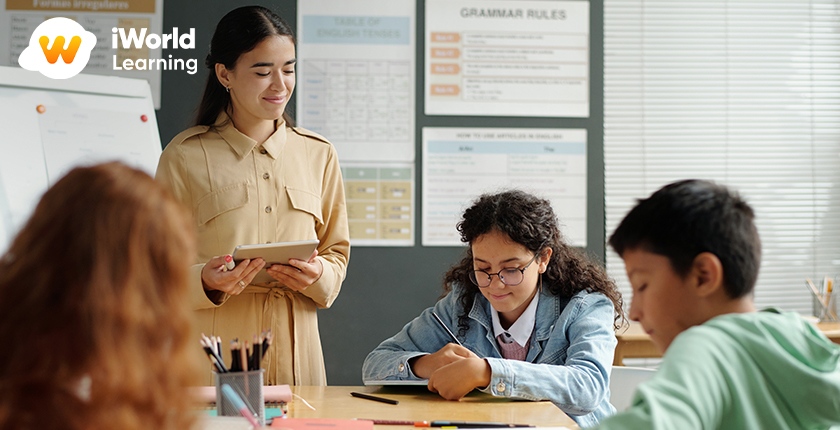
This is completely normal. Primary 2 is a bridge year. It connects foundational literacy to more demanding work in Primary 3. Some children sail through. Others need extra support.
That’s where Primary 2 English tuition SG becomes a practical solution for many families. Not because anything is “wrong” with your child. But because targeted help at the right time prevents small struggles from becoming big gaps.
What Does Primary 2 English Tuition Actually Cover?
Let’s be specific. Primary 2 English tuition focuses on four main areas that schools assess.
Grammar and vocabulary. Your child learns tenses—present continuous, past tense, simple future. They practice subject-verb agreement. Vocabulary expands from everyday words to describing emotions, actions, and settings.
Comprehension. In Primary 2, comprehension passages are short—maybe 50 to 80 words. But questions require inference. Not just “What colour was the cat?” but “Why did the cat feel scared?”
Writing. This surprises many parents. Primary 2 students write simple compositions. Typically 4 to 6 sentences about a picture. They learn story structure: beginning, middle, end. They practice using “and,” “but,” “so” to connect ideas.
Listening and oral communication. Show-and-tell becomes structured speaking. Students describe a picture or share an experience using complete sentences.
A good tuition programme aligns with the MOE syllabus. It doesn’t rush ahead. It reinforces what your child learns in school, then adds practice in weaker areas.
Why Parents in Singapore Consider Primary 2 English Tuition
You might wonder: “Does my child really need tuition this early?”
Here’s what experienced learning advisors observe. Primary 2 is when classroom sizes start to matter. A typical Singapore primary school class has 30 students. Your child’s teacher is skilled. But individual attention is limited.
Some children learn quietly. They don’t raise their hand to say, “I don’t understand what a verb is.” They sit calmly. They fall behind silently.
Other children develop avoidance habits. They rush through English homework. They guess answers. By Primary 3, when comprehension passages double in length, they feel overwhelmed.
Primary 2 English tuition SG addresses this window of opportunity. Small group or one-to-one sessions give your child space to ask “silly questions” without embarrassment. A tutor notices when a child confuses “their” and “there” and corrects it before it becomes a habit.
Parents also report another benefit: confidence. A child who struggles with English in Primary 2 may start avoiding reading for pleasure. That avoidance compounds. Tuition reverses that pattern by rebuilding small wins.
Types of Primary 2 English Tuition Available in Singapore
You have real choices. Each suits different family situations.
Learning centres. These are physical locations with classrooms, materials, and multiple tutors. Centres follow a structured curriculum. Lessons are 1.5 to 2 hours once or twice weekly. Class sizes range from 3 to 10 students. Cost: $300 to $600 per month.
Some language schools in Singapore, such as iWorld Learning, offer small-group English courses designed to improve communication skills for young learners. They focus on interactive methods rather than drill worksheets.
Private home tutors. A tutor comes to your home or meets at a library. Rates vary widely—$40 to $100 per hour depending on qualifications. Private tuition offers flexibility. But quality depends entirely on the tutor’s experience with Primary 2 students.
Online tuition. Post-2020, many providers offer live online classes for Primary 2 English. Platforms like Zoom with shared whiteboards. Pros: no travel, recorded sessions. Cons: screen fatigue for young children.
School-based after-school programmes. Some primary schools run remedial or enrichment classes. Ask your child’s form teacher. These are often lower cost ($50 to $150 per term) but may not be available at every school.
How to Choose the Right Primary 2 English Tuition
Not all tuition is equal. Here’s a practical checklist based on what actually works for 7-year-olds.
Look for diagnostic assessment first. A responsible provider tests your child before placing them. The assessment should identify specific gaps. Does your child struggle with punctuation? Comprehension? Oral expression? Without diagnosis, you’re guessing.
Check class size. For Primary 2, more than 8 students in a class reduces individual feedback. Ideal range: 4 to 6 students. One-to-one is excellent but expensive.
Observe a trial lesson. Most centres offer paid trials ($40 to $80). Watch how the tutor interacts. Do they explain concepts in multiple ways? Do they check for understanding? Do children seem engaged or bored?
Ask about homework load. Some centres add 2 to 3 worksheets weekly plus corrections. That’s reasonable. Others assign daily work that creates family stress. Know what you’re committing to.
Verify tutor qualifications. MOE-trained former teachers are ideal. But experienced tutors without formal teaching certification can also be excellent if they show patience and clear communication.
Consider location and schedule. A centre 15 minutes from home or school is sustainable. A 45-minute MRT ride after a full school day? Your child will arrive exhausted. Learning won’t happen.
Common Questions About Primary 2 English Tuition SG
Is Primary 2 too early for tuition?
No, but it depends on the child’s needs. Some children benefit from structured reinforcement at this age, especially if they show frustration with schoolwork. For others, extra reading at home works fine. The key is observing your child honestly. Tuition should support, not replace, family encouragement.
How many hours per week does Primary 2 English tuition require?
Most programmes recommend 1.5 to 2 hours weekly, plus 30 minutes of homework spread across three days. This keeps learning consistent without overwhelming a 7-year-old. Avoid programmes demanding daily worksheets or weekend make-up sessions.
What’s the average monthly cost for Primary 2 English tuition in Singapore?
Group tuition at learning centres: $300 to $600 monthly. Private home tutors: $160 to $400 for four weekly 1-hour sessions. Online group classes: $200 to $450. School-based programmes: $50 to $150. Higher cost doesn’t always mean better quality. Trial lessons reveal more than price alone.
How can I tell if tuition is working for my child?
Look for three signs over 8 to 12 weeks. First, your child complains less about English homework. Second, their spelling test scores improve gradually—not overnight. Third, they attempt writing without saying “I don’t know what to write.” Small consistent progress matters more than dramatic grade jumps.
Final Note for Parents
You don’t need to make a permanent decision today. Try a term of Primary 2 English tuition SG at a centre that offers trial lessons. Observe your child’s response. Some children thrive with extra structure. Others just need a different approach at home—more reading, less pressure.
The goal isn’t to create a top scorer by age eight. The goal is to keep English learning positive so your child enters Primary 3 willing to try, not already defeated.
If you decide to proceed, start with one term. Reassess. And always trust your instinct as a parent more than any marketing promise.
相关文章
Recommended Reading
Popular Articles
-
English Teacher Salary in Singapore: A Complete 2026 Guide
-
The Ultimate english learning apps Bank: Categorized & Explained
-
British Council IELTS in 2026: What Changed, What It Costs, and How to Prepare
-
IELTS Price in 2026: What Test-Takers Actually Pay (And How to Spend Less)
-
The Complete 2026 Blueprint for O Level English Oral Topics 2026 Format & Strategy
-
IELTS Test Format, Scoring, and Key Changes for 2026 Explained
-
IELTS Exam Fee 2026: Complete Guide to Costs, Payment & Savings
-
PSLE 2026: Complete Guide to Exam Dates, Scoring System, and Preparation Strategies
-
IELTS Test Dates 2026: Monthly Schedule, Booking Strategy, and Prep Timeline
-
The Top 10 Tuition Centres in Singapore (2025) – A Curated Review for Parents & Students
latest articles
-
Is 'Not Even an Enormous Threat' Grammatically Complete?
-
TOEFL Score Report Timing: Planning Mistakes to Avoid
-
Parentheses in Sentences: Clear Examples and Punctuation
-
Levity: Meaning, Tone and Natural Examples
-
Business English Writing Skills for Singapore Professionals
-
Typing Practice for Computer-Based IELTS
-
Improve Read-Aloud-to-Writing Practice with a Progress Checklist
-
Annotate Before Answering in Primary 4: Mistakes to Avoid
-
Primary English Enrichment: Skills a Good Programme Covers
-
How to Pronounce 'Data': Two Standard Variants