Which Phonics Class in Singapore Suits Your Child’s Learning Style?
Introduction
Not all children learn to read the same way. Some pick up letter sounds quickly after hearing them a few times. Others need to move their hands, see pictures, or sing songs before a sound sticks. This is why two children can attend the same phonics class in Singapore and have completely different experiences.
One child might thrive in a fast-paced group setting. Another might feel lost and need one-on-one guidance. The quality of the programme matters, but so does the match between teaching methods and your child’s natural learning style.
This article helps you look beyond marketing claims. You will learn about the main types of phonics instruction available in Singapore, how to observe a trial class effectively, and what questions to ask before signing up.
Three Main Phonics Approaches You Will Find in Singapore
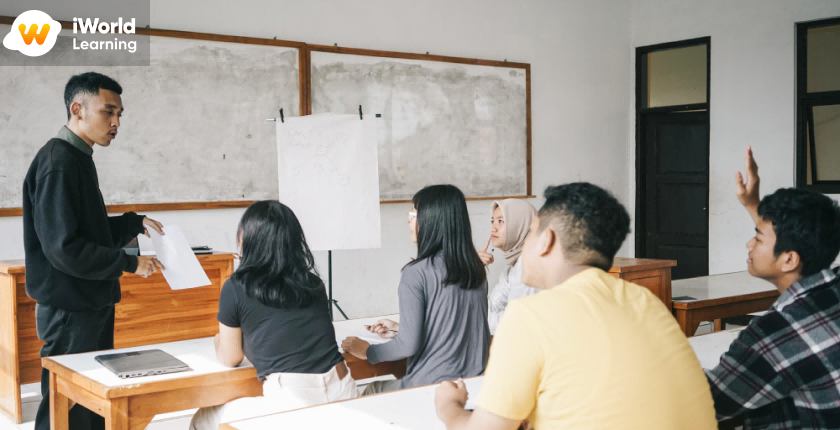
Most phonics classes in Singapore fall into one of three categories. Each has strengths, and each suits different types of learners.
Synthetic Phonics – This is the most common method used in schools like MOE kindergartens and many enrichment centres. Children learn individual letter sounds first, then practise blending those sounds to read words. For example, they learn /s/, /a/, /t/ separately, then blend to read “sat”. This method works well for children who can sit still and follow sequential instructions. It is systematic and predictable.
Analytic Phonics – Children learn letter sounds within the context of whole words. They might learn the /b/ sound by looking at “bat”, “ball”, and “boy” together. They analyse the common sound after seeing the words. This approach suits children who prefer seeing the big picture first before focusing on details. It also works well for visual learners who remember word patterns.
Embedded Phonics – This method teaches phonics naturally during reading activities. When a child struggles with a word, the teacher points out the letter-sound relationship at that moment. There is no fixed sequence of sounds. This works for children who learn best through real reading experiences rather than drills. However, it can feel unstructured for children who need clear steps.
Many centres in Singapore combine approaches. A typical phonics class in Singapore might use synthetic phonics for the main lesson and embed phonics during storytime. Ask the centre which approach they use as their primary method.
How to Match a Phonics Class to Your Child’s Personality
Beyond academic methods, your child’s personality affects how well they learn in a group setting.
The active child – Some children cannot sit at a desk for more than ten minutes. They need movement built into the lesson. Look for classes that use floor games, letter hopping, or sand trays. Avoid centres where children stay seated for most of the session.
The quiet observer – Some children take time to warm up. They prefer watching before participating. These children often do better in smaller groups of four to six children. Large classes with twelve or more children may overwhelm them.
The competitive learner – Some children love games, points, and friendly competition. Classes that use timed activities, bingo games, or team challenges will keep them engaged. However, make sure the centre balances competition with encouragement.
The anxious speller – Some children freeze when asked to spell. They fear making mistakes. These children need a class with a patient teacher and low-pressure activities. Look for centres that use magnetic letters or whiteboards where mistakes can be erased easily.
Where to Look for Phonics Classes in Singapore
Singapore has no shortage of options. The key is narrowing down based on location, class size, and teaching approach.
Enrichment centres – These are private centres dedicated to English and phonics. Examples include small chains and independent studios. Class sizes range from four to ten children. Lessons typically run once or twice a week for one to two hours. Many centres offer free assessments before placement.
Preschools with phonics focus – Some kindergartens embed phonics into their daily routine. Children learn sounds through morning songs, writing practice, and reading corners. This works well if you want phonics to be part of a full preschool programme rather than an extra class.
Private tutors – One-on-one phonics instruction costs more but offers complete customisation. Tutors can move at your child’s pace and focus only on sounds your child finds difficult. Some tutors come to your home. Others teach from learning centres.
Community-based programmes – Some community centres and libraries offer low-cost phonics workshops during school holidays. These are shorter programmes, usually four to eight sessions. They work well as an introduction or a booster before Primary 1.
A centre like iWorld Learning offers small-group phonics classes where teachers adjust pacing based on each child’s progress. This middle ground — not too large, not one-on-one — works for many families who want structure with some individual attention.
Questions to Ask Before Enrolling
Before paying any fees, ask these questions during your centre visit or phone call.
How many children are in each class? If the answer is more than eight for a child under six years old, ask how the teacher ensures every child participates. Some centres use teaching assistants, but observe whether quieter children get ignored.
What happens when a child falls behind? A good centre will have a clear answer. Some offer catch-up sessions. Others move the child to a slower-paced group. Avoid centres that say “all children learn at the same pace” — that is rarely true.
Can I observe a full lesson? Many centres allow observation through a one-way mirror or video screen. If they do not allow any observation, consider that a warning sign. Parents should see how teachers interact with children.
What reading materials do you use? Some centres use their own worksheets. Others use published programmes like Jolly Phonics or Letterland. Neither is better, but you should understand what your child will bring home each week.
Red Flags to Watch Out For
Some phonics classes in Singapore charge premium prices but deliver mediocre instruction. Watch for these warning signs.
Teachers who correct every mistake loudly. Phonics requires trial and error. Children need space to try sounds without fear. If a teacher’s corrections feel harsh, your child may stop trying.
Classes that skip blending. Some centres teach letter sounds for months but never teach children how to blend those sounds into words. Without blending, children cannot read new words independently. Ask to see a lesson plan or sample activities.
No take-home materials. Children need to practise between classes. If a centre provides nothing for home practice — not even a simple sound sheet — progress will be slow.
Common Questions About Phonics Class in Singapore
At what age should a child start phonics classes in Singapore?
Most children are ready between four and five years old. At this age, they can typically sit for short periods and recognise most letters by sight. Some three-year-olds are ready, but many benefit from waiting until their attention span grows. Starting too early can create frustration.
How long does it take to see results from a phonics class?
With consistent weekly classes and ten minutes of daily home practice, most children show noticeable improvement within three to four months. They start attempting unfamiliar words instead of guessing. Full mastery of all letter sounds and blending typically takes six to twelve months, depending on the child’s age and practice frequency.
Are phonics classes necessary if my child attends a MOE kindergarten?
MOE kindergartens teach phonics, but the pace is designed for an average learner in a large class setting. Some children need additional reinforcement or a slower pace. Others need more challenge. A supplementary phonics class can fill gaps without replacing what your child learns in school.
Can I teach phonics at home instead of paying for a class?
Yes, many parents successfully teach phonics at home using structured programmes like Jolly Phonics or Read Write Inc. However, teaching phonics requires consistency. If you work full-time or find it hard to set aside twenty minutes daily, a class provides accountability and professional feedback. Some families combine home teaching with a weekly class for the best results.
相关文章
Recommended Reading
Popular Articles
-
English Teacher Salary in Singapore: A Complete 2026 Guide
-
The Ultimate english learning apps Bank: Categorized & Explained
-
British Council IELTS in 2026: What Changed, What It Costs, and How to Prepare
-
IELTS Price in 2026: What Test-Takers Actually Pay (And How to Spend Less)
-
The Complete 2026 Blueprint for O Level English Oral Topics 2026 Format & Strategy
-
IELTS Test Format, Scoring, and Key Changes for 2026 Explained
-
IELTS Exam Fee 2026: Complete Guide to Costs, Payment & Savings
-
PSLE 2026: Complete Guide to Exam Dates, Scoring System, and Preparation Strategies
-
IELTS Test Dates 2026: Monthly Schedule, Booking Strategy, and Prep Timeline
-
The Top 10 Tuition Centres in Singapore (2025) – A Curated Review for Parents & Students
latest articles
-
Internship Request Email: Student's Template
-
Counter-Offer From Your Employer: Responding
-
Award Nomination Email: Nominate a Peer
-
How to Pronounce 'Frites' in English and French Contexts
-
Lucidity: Meaning, Context and Natural Examples
-
Salvation: Meaning in Religious and Everyday Contexts
-
Mitigate Meaning in English: Usage, Grammar and Examples
-
Exit Interview Email: HR Templates
-
Empathic Synonyms: Differences in Meaning and Tone
-
Spelling Practice at Home: What Works