Punggol Library: A Surprising Hub for English Learners
Introduction
When most people think of Punggol Library, they imagine a quiet place to borrow books or study for exams. But something unexpected is happening at this modern library in northeastern Singapore. It has quietly become a valuable resource for adults who want to improve their English skills.
Whether you are a working professional, a new immigrant, or someone preparing for further education, Punggol Library offers more than just shelves of books. The library provides free learning materials, conversation opportunities, and a supportive environment for language practice.
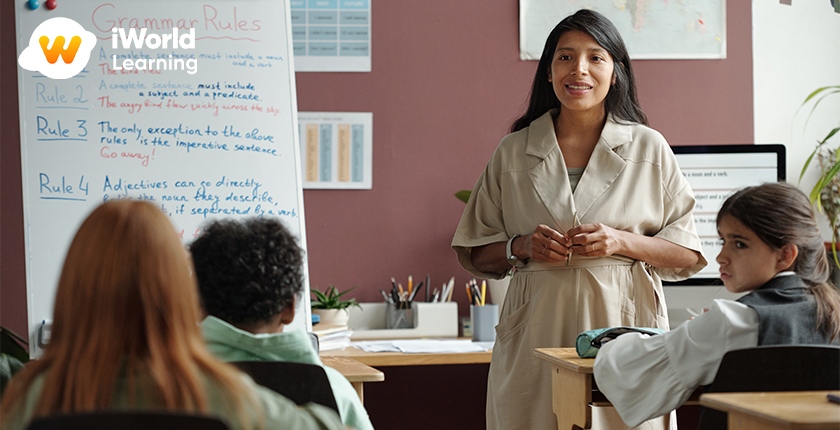
This article explores how you can use Punggol Library as part of your English learning journey. You will discover practical ways to combine library resources with structured courses for faster progress.
What Makes Punggol Library Different for English Learners
Punggol Library is not your traditional neighbourhood library. Opened in 2017 as part of the Punggol Regional complex, it features a modern design with open spaces, dedicated study zones, and technology-rich facilities.
For English learners, several features stand out. The library has a large collection of English learning materials, including graded readers for different proficiency levels. There are also audio books that help with listening comprehension and pronunciation.
The library operates on a well-organised system. You can find books labelled by difficulty, making it easier to choose appropriate materials without feeling overwhelmed. The self-checkout system saves time, and the quiet zones provide distraction-free spaces for reading practice.
Many learners do not realise that libraries like Punggol Library also offer digital resources. Through the National Library Board app, you can access online English courses, e-books, and language learning platforms like Mango Languages. These are completely free with a library membership.
Why Library-Based Learning Matters for English Improvement
Reading is one of the most effective ways to build vocabulary and understand sentence structure. When you read regularly, you absorb grammar patterns naturally without memorising rules. Punggol Library gives you access to thousands of English books across different genres.
But reading alone is not enough. Language requires active use. The library hosts conversation corners and reading clubs where you can practise speaking with others. These informal settings reduce the pressure of making mistakes, which is a common fear among adult learners.
Another advantage is consistency. Libraries have fixed opening hours and a predictable environment. This helps you build a regular study habit. You can visit after work or on weekends without worrying about changing classroom locations or cancelled lessons.
The library also removes financial barriers. Private English courses in Singapore can cost hundreds of dollars per month. At Punggol Library, the core resources are free. You only need to invest your time and effort.
Step 1: Assess Your Current English Level
Before you start using library resources, take an honest look at your English ability. Ask yourself these questions:
-
Can I read a newspaper article without stopping to check many words?
-
Do I feel nervous when speaking English with colleagues or neighbours?
-
Can I write a simple email at work without help?
Your answers will guide what materials to borrow. For beginners, start with children's picture books or young adult fiction. The language is simpler, and the stories are engaging. For intermediate learners, try local newspapers or short story collections. Advanced learners can read non-fiction books or academic journals.
Punggol Library arranges books by genre and reading level. Look for the "Quick Reads" section, which features shorter books written specifically for adult language learners. These are excellent for building confidence.
Step 2: Explore Available Learning Resources at Punggol Library
The library offers multiple ways to learn English. Here is what you can find under one roof.
Printed materials include grammar reference books, vocabulary builders, and practice workbooks. Many come with answer keys so you can check your own progress. The library also carries exam preparation books for IELTS, TOEFL, and Singapore-Cambridge GCE O-Level English.
Audio and visual resources include CDs with dialogues, DVDs with subtitles, and audiobook players. Listening to native speakers while reading along improves both listening skills and pronunciation. You can borrow these for three weeks at no cost.
Digital resources are accessible from home using your library account. The NLB eResources portal includes tools like Britannica Online, Factiva for reading news articles, and LinkedIn Learning for English business writing courses. These are available 24 hours a day.
Programmes and events happen throughout the year. Punggol Library runs storytelling sessions for adults, book clubs, and even writing workshops. Check the GoLibrary website or ask the information counter for upcoming English-focused events.
Step 3: Combine Library Self-Study with Structured Courses
While Punggol Library provides excellent free resources, most learners benefit from adding structured instruction. Self-study helps with reading and vocabulary. But speaking and writing often need teacher feedback.
This is where language schools in Singapore play a role. For example, iWorld Learning offers small-group English courses designed for adult learners who need practical communication skills. Their classes focus on real-world situations like workplace conversations, email writing, and presentation skills.
A combined approach works well. Use Punggol Library for daily reading practice and homework space. Attend a structured course once or twice per week to practise speaking with others and receive corrections from a teacher. The library materials can reinforce what you learn in class.
Many students tell me they tried only self-study for months and saw slow progress. Adding even a weekly class accelerated their improvement significantly. The structure and accountability of a course make a real difference.
How to Create a Weekly English Learning Schedule Using Punggol Library
Let me share a realistic weekly plan. This assumes you work full-time and have limited free time.
Monday evening (1 hour): Visit Punggol Library after work. Spend 30 minutes reading a short story or news article. Spend another 30 minutes writing down new words and example sentences in a notebook.
Wednesday evening (1.5 hours): Attend an English course near your workplace or home. Practise speaking with classmates and get feedback from your teacher.
Saturday morning (2 hours): Go to Punggol Library for focused study. Borrow an audio book and listen while reading along. Then complete two pages from a grammar workbook.
Sunday (30 minutes): Use NLB digital resources at home. Watch a short video lesson or review vocabulary on your phone.
This schedule uses the library three times per week. You build a habit without burning out. The key is consistency, not long hours.
What to Do If You Feel Stuck
Many adult learners hit a plateau where progress seems to stop. This is normal. When this happens at Punggol Library, try changing your approach.
Switch from fiction to non-fiction. Reading about topics you already know, like cooking or technology, makes comprehension easier. You focus on language instead of new concepts.
Use the library's newspapers. Reading The Straits Times daily exposes you to formal English used in Singapore. Pay attention to headlines, which use concise, powerful vocabulary.
Join a library event. Meeting other learners reduces isolation. You realise many people share your struggles. Some library users form informal study groups that meet weekly.
Ask the librarian for help. Librarians at Punggol Library are trained to recommend materials for different needs. Tell them you are learning English and want book suggestions. They will guide you to suitable resources.
Common Questions About Punggol Library
Is Punggol Library free to use for English learning materials?
Yes, borrowing books, using digital resources, and attending most library programmes are free. You only need a National Library Board membership, which is also free for Singapore residents. Foreigners can register for a small annual fee.
Does Punggol Library offer formal English classes?
The library does not run formal certification courses. It provides self-study materials and informal conversation activities. For structured classes with qualified teachers, you will need to enrol in a language school either near Punggol or in another convenient location.
Can I practise speaking English with other learners at Punggol Library?
Yes, look for conversation groups or reading clubs on the library event calendar. Some groups meet regularly. You can also start an informal study group by posting on community notice boards or library social media channels.
What is the best way to find English learning books at Punggol Library?
Visit the adult non-fiction section under call numbers 428 to 428.24 for grammar and course books. For graded readers, ask the information counter for the "Adult Literacy Collection" or "Quick Reads" section. Library staff can help you locate these quickly.
相关文章
Recommended Reading
Popular Articles
-
English Teacher Salary in Singapore: A Complete 2026 Guide
-
The Ultimate english learning apps Bank: Categorized & Explained
-
British Council IELTS in 2026: What Changed, What It Costs, and How to Prepare
-
IELTS Price in 2026: What Test-Takers Actually Pay (And How to Spend Less)
-
The Complete 2026 Blueprint for O Level English Oral Topics 2026 Format & Strategy
-
IELTS Test Format, Scoring, and Key Changes for 2026 Explained
-
IELTS Exam Fee 2026: Complete Guide to Costs, Payment & Savings
-
PSLE 2026: Complete Guide to Exam Dates, Scoring System, and Preparation Strategies
-
IELTS Test Dates 2026: Monthly Schedule, Booking Strategy, and Prep Timeline
-
The Top 10 Tuition Centres in Singapore (2025) – A Curated Review for Parents & Students
latest articles
-
How to Rewrite a Work Sentence in Standard English
-
Helping a Shy Child Speak Up in English Class
-
GEP Changes: High-Ability English Support from 2027
-
How Long Should a PSLE Composition Be?
-
CEFR Levels: How Long It Really Takes
-
Hecate Pronunciation: Why Context Can Change the Answer
-
Primary English Assessments: P1 to P6
-
How to Choose a Pre-Primary English Class
-
How Sec 3 Students Can Choose the Right Essay Genre
-
Teacher's Marking Symbols: sp, t, gr Decoded