P1 Preparatory or Preschool English? Choose by the Readiness Gap
Preschool English develops language through age-appropriate early learning, while a P1 preparatory programme concentrates on the transition routines and literacy demands a child will meet next. This guide turns p1 preparatory vs preschool english singapore into an observable decision and practice process for learners and families in Singapore.
The right choice depends on the child's present readiness, not the programme label or the pressure to do both. Use the current official or first-party source for rules that may change, and use the steps below for the learning decisions that can be tested directly.
Set fair criteria for p1 preparatory vs preschool english singapore
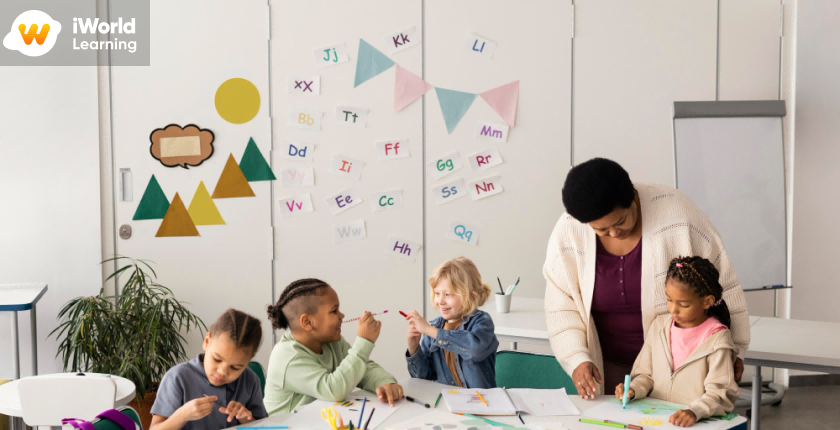
Preschool English develops language through age-appropriate early learning, while a P1 preparatory programme concentrates on the transition routines and literacy demands a child will meet next. Begin with a recent, ordinary example rather than the learner's best completed work. That makes the cause visible and prevents a broad label from hiding several different skills.
The key distinction is practical: The right choice depends on the child's present readiness, not the programme label or the pressure to do both. Write the distinction beside the sample and decide what evidence would show that the learner can handle the task independently.
Compare the options against the learner
- Step 1: Observe whether the child can follow two-step spoken instructions. Keep the step small enough that the learner can explain the decision.
- Step 2: Check comfort with books, sounds, words and simple sentences. Use an example that resembles the target task but is not a copy of the model.
- Step 3: Notice stamina for a short teacher-led task. Record the reason for the choice so feedback can address thinking, not only the final answer.
- Step 4: Compare each programme's actual lesson activities. Change one variable at a time; otherwise improvement is difficult to attribute.
- Step 5: Choose one clear readiness goal for a short trial period. Finish by naming what should transfer to the next unfamiliar task.
This routine is deliberately short. It creates a full loop: notice, decide, attempt, receive feedback and try again. More worksheets are not a substitute for completing that loop.
Reach a conditional decision
Progress should appear in new material, not only in the example that received help. Look for the following signals over several attempts:
- The child participates without being over-prompted.
- Skills transfer to home reading or classroom routines.
- Confidence and independence improve together.
Keep a simple dated note with the task, the feedback target and the next independent result. A score may be included, but it should not replace evidence about what the learner did differently.
Where simple comparisons fail
Several shortcuts make the work look busy while leaving the underlying decision unchanged:
- Treating early preparation as exam drilling.
- Duplicating the same activities across two programmes.
- Using handwriting neatness as the only readiness measure.
These limits matter because the right choice depends on the child's present readiness, not the programme label or the pressure to do both. When the evidence is mixed, reduce the claim and gather another sample instead of promising a result.
Families or learners who want structured feedback can review iWorld Learning's verified preschool English course information and compare its learning process with the checklist above. Course fit should still be confirmed from current details and a real learner sample.
FAQ
What should I do first with p1 preparatory vs preschool english singapore?
Start by collecting one recent example and naming the exact decision or difficulty. Preschool English develops language through age-appropriate early learning, while a P1 preparatory programme concentrates on the transition routines and literacy demands a child will meet next. The first action is observe whether the child can follow two-step spoken instructions rather than adding more unfocused practice.
How can I tell whether the approach is working?
Look for transfer, not familiarity. Useful evidence includes the child participates without being over-prompted and skills transfer to home reading or classroom routines. Review a new task after feedback instead of judging from the corrected example alone.
When is teacher or school support useful?
Support is useful when the pattern repeats, the learner cannot explain the next step, or feedback is not transferring. A teacher should diagnose the cause, model a decision and check independent application; no class can guarantee a particular grade, level or outcome.
相关文章
Recommended Reading
Popular Articles
-
English Teacher Salary in Singapore: A Complete 2026 Guide
-
The Ultimate english learning apps Bank: Categorized & Explained
-
British Council IELTS in 2026: What Changed, What It Costs, and How to Prepare
-
The Complete 2026 Blueprint for O Level English Oral Topics 2026 Format & Strategy
-
IELTS Price in 2026: What Test-Takers Actually Pay (And How to Spend Less)
-
IELTS Test Format, Scoring, and Key Changes for 2026 Explained
-
IELTS Exam Fee 2026: Complete Guide to Costs, Payment & Savings
-
PSLE 2026: Complete Guide to Exam Dates, Scoring System, and Preparation Strategies
-
IELTS Test Dates 2026: Monthly Schedule, Booking Strategy, and Prep Timeline
-
The Top 10 Tuition Centres in Singapore (2025) – A Curated Review for Parents & Students
latest articles
-
One Scan for P4 Cloze Blanks and Editing Lines
-
One Sec 3 Continuous Writing Sitting, One Genre
-
Judge Nursery vs K1 English from One Session
-
Label the Cloze Clue Before You Fill a P6 Blank
-
Judge a P3 Writing Class from Two Recent Stories
-
A 15-Minute P2 Read-and-Write Routine
-
Finish One Unseen Sec 1 Text Without a Walkthrough
-
Mark a P4 Passage Before You Write Any Answer
-
P1 Preparatory or Preschool English? Choose by the Readiness Gap
-
Sec 4 English Burnout: Reset Revision Without Abandoning Practice