Productive Activities After PSLE in Singapore: Ideas That Count
Quick Answer: The productive activities that matter after PSLE are reading for pleasure and stamina, building secondary-school life skills such as time management and money handling, sustaining sport or a physical routine, volunteering or helping at home, and pursuing one self-chosen creative project, with rest treated as part of the plan rather than the enemy of it.
The post-PSLE break is the longest unstructured stretch in a Singapore student's calendar before national service or university, and its value lies in restoring energy while quietly building the habits secondary school will demand. Families who treat the break either as pure holiday or as an early Secondary 1 syllabus both miss the middle path: purposeful rest with skills that transfer.
This guide organises the break's productive options into five categories, flags what to avoid, and offers a weekly rhythm that keeps the weeks balanced without a timetable battle.
Category One: Reading for Secondary School
Secondary English assumes pupils can read longer texts with stamina, and the break is the cheapest window to build it. The aim is volume and enjoyment, not classics under duress: novels, news feature articles, and narrative non-fiction all count.
| Reading Goal | What It Builds | Suggested Shape |
|---|---|---|
| Finish 3 to 5 self-chosen books | Stamina and vocabulary | About 20 minutes daily |
| Read one news feature weekly | Expository reading for humanities | Discuss one point at dinner |
| Keep a light reading journal | Writing fluency without pressure | Three sentences per book |
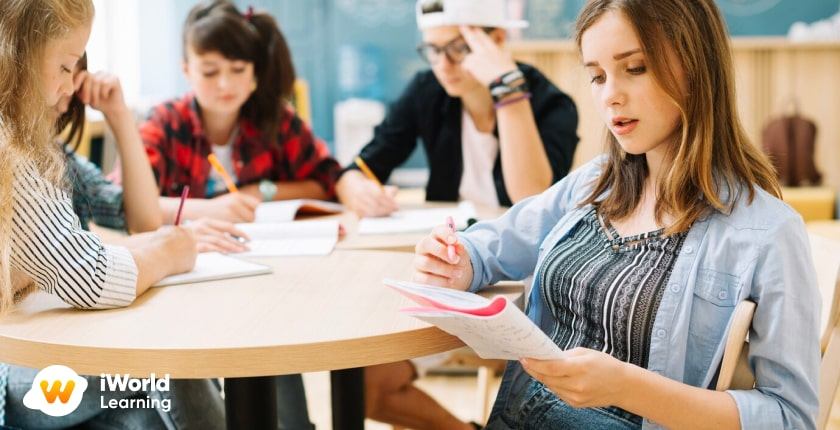
Libraries across the island run holiday reading programmes, and letting the child choose every title is the point: choice converts reading from assignment into identity.
Category Two: Life Skills for Secondary School
Secondary school quietly assumes a set of skills primary school never tests: managing a timetable with multiple subjects, tracking homework without parental relay, handling pocket money, taking public transport alone, and speaking to adults in office or shop settings.
- Time habits: let the child plan one household outing end to end, route, timing, budget, and review what worked.
- Money habits: hand over a week's meal budget to manage, with savings kept by the child.
- Admin habits: have the child write their own emails or calls to confirm a booking, practising formal register.
These translate directly into the first confusing months of Secondary 1, when pupils juggle seven to nine subjects and personal responsibility rises sharply.
Category Three: Physical and Outdoor Activity
Post-exam months without structure often slide into screen-heavy days, and the antidote is a standing physical commitment: swimming, cycling, badminton, or a holiday camp. Beyond fitness, physical programmes rebuild the routines, waking times, and social contact that the exam season compressed. Community centres and sports programmes across Singapore run affordable holiday options, and schools themselves sometimes offer post-PSLE activity blocks worth checking.
Category Four: Contribution and Community
Volunteering in age-appropriate forms, helping at a library programme, community clean-ups, or organising a donation drive with family, builds the perspective secondary school's values education assumes. Where formal volunteering slots for twelve-year-olds are limited, structured helping at home, cooking one family meal weekly, caring for a younger cousin, teaches the same responsibility. What matters is that the child owns a duty someone else relies on.
Category Five: One Self-Chosen Project
The break is long enough to finish something: a short story collection, a learn-to-code game, a drawn comic, a model build, a beginner language streak. The defining feature is that the child chooses it, plans it, and completes it. Completion is the skill; the subject is the vehicle. Parents protect the project by supplying materials and asking about progress with interest, not inspection.
What to Avoid
- Front-loading the Secondary 1 syllabus: full academic bridging classes across subjects turn the break into a second school year, and research-informed advice consistently favours habits over content preview. Light introductions, one book, one taster, are plenty.
- Overscheduling every week: a break with no unstructured days loses the recovery it exists for.
- Treating screens as the reward for surviving PSLE: unlimited gaming through the break creates a habit to undo in January. Negotiated screen windows keep the peace without the cliff.
A Weekly Rhythm, Not a Timetable
A workable shape for the average week: reading most days in short sessions, the physical commitment two or three times, the self-chosen project in relaxed blocks, one life-skill responsibility running in the background, and at least two fully free days. Review the shape with the child every fortnight and adjust, which itself rehearses the self-management secondary school requires.
Families who want a light academic thread often keep English alive through the break, since reading and writing underpin every secondary subject. Small-group holiday programmes, such as the bridging options in the primary school English programme at iWorld Learning, keep comprehension and composition skills warm without school-year pressure, with campuses at Tanjong Pagar and Somerset.
FAQ
Should my child attend Secondary 1 preparation classes after PSLE?
Light bridging is reasonable for English and mathematics if the child's P6 results flagged a gap, but wholesale syllabus preview is unnecessary and can cause burnout. Habits, reading, and confidence transfer better than content covered six months early.
How much free time is appropriate after PSLE?
More than during term, less than unlimited. A rhythm with two or three anchored activities per week and genuinely free days beside them restores energy while keeping routines alive for January.
When do PSLE results and posting happen?
Results typically release in the final weeks of the school year, with secondary school posting following in December and school starting in January. Families should plan the break's rhythm without those dates as anchors, since they interrupt on their own schedule.
What if my child only wants to game all break?
Negotiate structure rather than banning: agreed screen windows tied to anchors, the reading session, the physical activity, before unstructured time. The break is also the moment to reconnect over board games or outings, which rebalances attention more effectively than lectures.
Which single activity gives the best secondary school preparation?
Reading, sustained daily. It builds vocabulary, stamina, general knowledge, and writing intuition simultaneously, all of which every secondary subject draws on. Everything else on this list supports it.
Summary
A productive post-PSLE break balances five streams, daily reading, life skills, physical activity, contribution, and one self-chosen project, protected by free days and free of premature syllabus cramming. The habits built quietly carry into Secondary 1 better than any previewed content. For families wanting a light English thread through the break, holiday bridging classes at iWorld Learning keep skills warm in small groups.
相关文章
Recommended Reading
Popular Articles
-
English Teacher Salary in Singapore: A Complete 2026 Guide
-
The Ultimate english learning apps Bank: Categorized & Explained
-
British Council IELTS in 2026: What Changed, What It Costs, and How to Prepare
-
IELTS Price in 2026: What Test-Takers Actually Pay (And How to Spend Less)
-
The Complete 2026 Blueprint for O Level English Oral Topics 2026 Format & Strategy
-
IELTS Test Format, Scoring, and Key Changes for 2026 Explained
-
IELTS Exam Fee 2026: Complete Guide to Costs, Payment & Savings
-
PSLE 2026: Complete Guide to Exam Dates, Scoring System, and Preparation Strategies
-
IELTS Test Dates 2026: Monthly Schedule, Booking Strategy, and Prep Timeline
-
The Top 10 Tuition Centres in Singapore (2025) – A Curated Review for Parents & Students
latest articles
-
Synonyms for 'Evidence': Choose by Source and Strength
-
Primary 4 Run-On Sentences: Where Full Stops Belong
-
Practise the Meaning of 'Aww' Through Tone and Context
-
How to Use 'Limited' in Sentences and Common Patterns
-
Luffy: Name Meaning, Reference and Context
-
Spectacles: Dictionary Meaning, Register and Usage
-
Formal Alternatives to 'Communicate' in Writing
-
TOEFL Reading Format: Tasks, Timing and Adaptive Testing
-
Validation: Meaning, Context and Common Uses
-
Using 'Empathetically': Tone, Register and Alternatives