How Long Is the PSLE English Oral?
How long is the PSLE oral? It is one of the most-searched questions in the oral season, and the answer is a pair of numbers that shape how practice should run: about five minutes of preparation time, and roughly ten to fifteen minutes of examination per candidate. This guide consolidates the structure, the parts, the marks, and what the timings mean for a practice routine.
The Structure and Timing
The PSLE oral gives about five minutes of preparation time before the examination, and the examination itself runs roughly ten to fifteen minutes per candidate across its two parts. The preparation window is where the oral is quietly won or lost: five minutes to read the passage, study the stimulus photograph and plan two or three talking angles. The examination window then moves through both parts with an examiner managing the clock. Exact timings are published in the SEAB syllabus documents for the current year; verify before the exam window, because format details belong to the examining board's current publications, not to memory.
The Two Parts and Their Marks
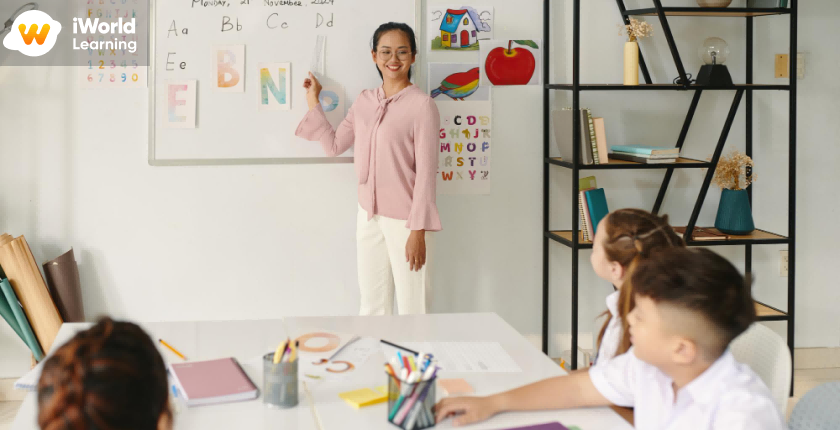
Part one is Reading Aloud, a passage assessed for pronunciation and expression; part two is Stimulus-Based Conversation, a discussion on a picture stimulus, and the two parts together carry thirty marks.
| Part | Task | What is assessed |
|---|---|---|
| Reading Aloud | Read a passage aloud | Pronunciation, articulation, expression |
| Stimulus-Based Conversation | Discuss a picture stimulus with the examiners | Relevance, elaboration, sustaining conversation |
Mark splits and weight figures live in the current syllabus documents; check them rather than memorising older guides.
What Changes in Recent Formats
The stimulus-based conversation now uses real-life photographs rather than text-labelled posters, which shifts the skill from reading labels to describing and opining on ordinary scenes. The change matters for preparation: a child drilled on poster-reading strategies walks into a photograph and finds nothing to read. The photograph format rewards observation and opinion, what is happening, how the people might feel, what the child would do, spoken in full sentences. Format evolution continues; the current-year syllabus document is authoritative, and preparation should track it rather than folklore.
What the Timings Mean for Practice
Practice at real durations, five minutes of planning then a full reading-plus-conversation run, because children who rehearse at exam scale meet the clock as a familiar rather than a shock.
- The timed run: one full run weekly, timed exactly: five minutes to prepare, then the reading and conversation straight through.
- The photograph bank: practise on real-life photographs, not posters, matching the current format.
- The listener: timed runs need a listener; solo practice misses the conversation half entirely.
Children who rehearse at exam scale walk in knowing exactly how long everything feels.
The Weight in Perspective
The oral is one paper among four, so it deserves timed practice without swallowing the year; its marks respond to steady speaking practice more than last-minute cramming. The oral rewards accumulated speaking confidence: children who talk regularly in English, at dinner, in class, in practice sessions, arrive with the muscle already built, while a September crash course builds familiarity at best. Check the current weight in the syllabus documents and treat any single figure as the year's fact, not a law; the strategic point is that steady weekly speaking practice serves the oral better than any cramming block.
Where Timed Oral Practice Happens
Full-duration oral runs need a listener and feedback, which school practice partly covers and small-group classes provide weekly at exam scale with a marking teacher. Any practice partner works for the mechanics: a parent with a timer and a photograph covers the format. What classes add is calibration: a teacher who hears where expression flattens, where answers stop at one sentence, and who runs the same timed format weekly. iWorld Learning's primary English classes in 3-6 student groups build exactly that rhythm, with every child guaranteed speaking turns at exam-like scale. Feedback quality decides the gain; arrange a listener for the next timed run.
Frequently Asked Questions
How many marks is the PSLE oral worth?
The oral carries thirty marks across Reading Aloud and Stimulus-Based Conversation, with its weight in the total set by the current syllabus documents; check SEAB's publication for the year's exact weighting.
Can my child practise the oral at home?
Yes: full-duration runs with any adult listener, using a passage and a photograph, cover the mechanics; feedback on expression and elaboration is what classes add.
What should my child do with the five minutes of preparation time?
Read the passage once marking pause points, study the photograph for two or three talking angles, and plan one opinion sentence; the time is short and structured, not free reading.
相关文章
Recommended Reading
Popular Articles
-
English Teacher Salary in Singapore: A Complete 2026 Guide
-
The Ultimate english learning apps Bank: Categorized & Explained
-
British Council IELTS in 2026: What Changed, What It Costs, and How to Prepare
-
IELTS Price in 2026: What Test-Takers Actually Pay (And How to Spend Less)
-
The Complete 2026 Blueprint for O Level English Oral Topics 2026 Format & Strategy
-
IELTS Test Format, Scoring, and Key Changes for 2026 Explained
-
IELTS Exam Fee 2026: Complete Guide to Costs, Payment & Savings
-
PSLE 2026: Complete Guide to Exam Dates, Scoring System, and Preparation Strategies
-
IELTS Test Dates 2026: Monthly Schedule, Booking Strategy, and Prep Timeline
-
The Top 10 Tuition Centres in Singapore (2025) – A Curated Review for Parents & Students
latest articles
-
PSLE AL Scoring: How Subject Bands Form the Total
-
IB English Paper 1 Guided Analysis: HL vs SL Strategy in Singapore
-
Cold Synonyms in English: Match Temperature, Tone or Illness
-
How to Pronounce 'Gruyere' in English
-
Phonics to Independent Reading in Singapore: The Primary 1 Transition Guide
-
Synonyms for 'Smart': Choose by Skill, Style or Pain
-
Pronounce Chargoggagoggmanchauggagoggchaubunagungamaugg
-
Tres Leches Pronunciation: Check Progress in Real Speech
-
Use Dictionary.com for Crossword Clues Without Guessing Blindly
-
Brash Meaning: Confident, Rude or Too Hasty?