PSLE English Oral Exam Tuition: Preparation That Builds Confidence
Quick Answer: PSLE English Oral examination tuition should prepare students for two distinct tasks: Reading Aloud (10 marks) — assessed on pronunciation, articulation, fluency, and expressiveness — and Stimulus-Based Conversation (20 marks) — assessed on personal response, clarity of expression, and engagement with the examiner's prompts. The skill that most directly separates higher-scoring students from lower-scoring ones is response development in the conversation component: the ability to give a structured, 30- to 45-second answer using a Point-Reason-Example framework rather than a single-sentence reply.
The PSLE Oral examination typically takes place in August or September of the Primary 6 year — earlier than the written papers — and is worth 15 percent of the total PSLE English grade. It is the first high-stakes examination most children face in the PSLE year, and oral performance often sets the psychological tone for the written papers that follow. A child who enters the oral exam with a practised method and a calm, prepared mindset performs differently from a child who has simply "practised speaking" without structure. This guide explains both components, what each rewards, and what effective oral tuition looks like.
How the PSLE English Oral Examination Is Structured
| Component | Marks | Duration | What Is Assessed |
|---|---|---|---|
| Reading Aloud | 10 | ~5 min (including preparation) | Pronunciation, articulation, fluency (appropriate pace), expressiveness (varied tone to convey meaning) |
| Stimulus-Based Conversation | 20 | ~10–15 min | Personal response (ability to give and justify opinions), clarity of expression (coherent, well-structured responses), engagement (ability to sustain a conversation with the examiner) |
Students receive a passage for Reading Aloud and a visual stimulus — typically a photograph or a short video clip — for the Stimulus-Based Conversation. After a short preparation period (usually 5 to 10 minutes), the student reads the passage aloud and then engages in a conversation with the examiner based on the stimulus and related topics. The conversation is not a question-and-answer interrogation — it is meant to be a dialogue, and examiners are trained to prompt and guide rather than to fire questions at the student.
Reading Aloud: Technique, Not Just Reading
Reading Aloud rewards students who sound like they understand and are communicating the meaning of the passage, not like they are decoding text aloud. The four assessment criteria — pronunciation, articulation, fluency, and expressiveness — each contribute to this impression. Pronunciation means words are spoken correctly. Articulation means words are spoken clearly, not mumbled or rushed. Fluency means the reading flows at a natural pace, with appropriate pausing at punctuation rather than racing through or hesitating at every word. Expressiveness means the voice varies in pitch, pace, and volume to match the meaning — a question sounds like a question, an exciting moment sounds exciting, a quiet moment sounds quiet.
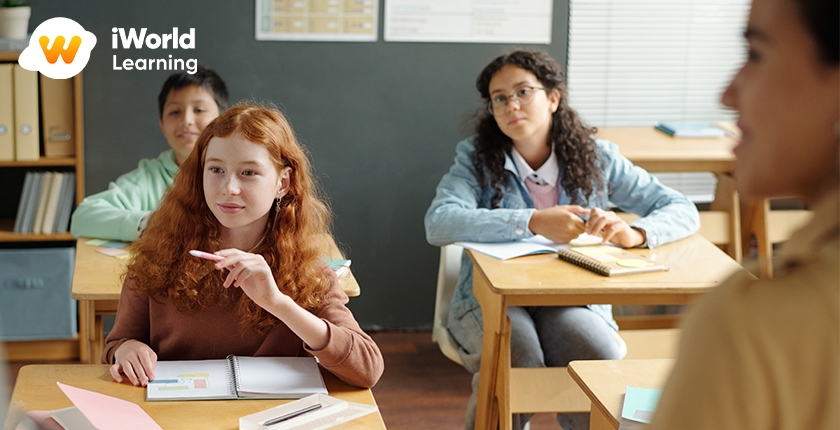
Effective oral tuition teaches Reading Aloud as a performance skill, not as a pronunciation check. Each practice session should include: reading the passage silently first to understand the overall meaning and identify any difficult words, practising those words in isolation, reading the passage aloud with a focus on one criterion at a time (a session on pausing at punctuation, a session on varying tone for questions and exclamations, a session on conveying emotion through pace), and receiving specific feedback — "your pronunciation was accurate but your pace was the same throughout; try slowing down for the descriptive sentences and speeding up slightly for the action." General feedback — "good reading, try to be more expressive" — does not tell the child what to change.
Stimulus-Based Conversation: The Point-Reason-Example Structure
The Stimulus-Based Conversation component is where the largest score differences between students appear, and the single skill that most predicts a higher score is response development. A student who answers every question with one or two sentences — "Yes, I think it is important to help others because it is kind" — is demonstrating functional spoken English but not the ability to sustain a response that the marking criteria reward at the middle and upper bands. The same student, using a Point-Reason-Example structure, might say: "Yes, I think helping others is very important (Point) because it strengthens the community and makes the person helping feel useful and connected (Reason). For example, last year, I volunteered with my classmates at a home for the elderly, and I saw how much a simple conversation meant to the residents — and I also felt proud that I had made a difference, even in a small way (Example)."
This structured response is not memorised — the content changes with each prompt — but the structure is practised until it becomes automatic. Effective oral tuition teaches the Point-Reason-Example framework explicitly, practices it with a wide range of prompts on common PSLE Oral themes (school life, family, community, technology, health, the environment, values and character), and gives specific feedback on each response: was the point clear? Did the reason logically support the point? Was the example specific and personal? A child who can deliver a structured Point-Reason-Example response to any prompt on a familiar theme enters the oral exam with a working method.
Common PSLE Oral Themes and How to Prepare for Them
The PSLE Oral examination draws from a predictable set of themes that reflect the experiences and concerns of primary school children in Singapore. The most frequently appearing themes include: school life (learning, CCAs, friendships, teachers, challenges at school), family (relationships with parents and siblings, responsibilities at home, family time), community (neighbourliness, volunteering, helping others, social issues children encounter), technology (screen time, social media, online learning, digital citizenship), health and well-being (exercise, diet, sleep, mental well-being, managing stress), the environment (conservation, recycling, public cleanliness, animal welfare), and values (honesty, responsibility, resilience, empathy, respect).
Preparation means practising with prompts from each theme until the child can produce a structured Point-Reason-Example response without a long pause. It does not mean memorising answers to specific questions — an examiner will hear the difference between a child who is recalling a memorised response and one who is constructing a response using a practised structure. Practise the structure; let the content come from the child's own experiences and opinions.
What Effective PSLE Oral Tuition Looks Like
A strong oral tuition programme includes: weekly Reading Aloud practice with a new passage each session, focusing on one technique criterion at a time rather than trying to improve all four simultaneously; weekly Stimulus-Based Conversation practice using a visual prompt (photograph or short video), with the child delivering structured Point-Reason-Example responses and receiving specific feedback on each; recording of practice sessions so the child can hear their own Reading Aloud pace and expressiveness and their own conversation response length and structure — children are often surprised by how much shorter or flatter their responses sound than they felt during delivery; and a gradual increase in the number of conversation prompts per session, from two or three early in the preparation period to five or six closer to the exam, to build the conversational stamina the actual examination requires.
Oral tuition should not be a last-minute addition in August of the P6 year. The Point-Reason-Example structure and Reading Aloud technique should be introduced in Primary 5 and reinforced throughout the P6 year, so that by the time the oral examination arrives, the method is automatic and the child's mental bandwidth is free for content — what they want to say — rather than being consumed by structure — how to say it.
Summary
PSLE English Oral tuition should prepare students for two components — Reading Aloud and Stimulus-Based Conversation — through explicit technique instruction, structured practice, and individual feedback. Reading Aloud rewards pronunciation, articulation, fluency, and expressiveness taught as performance skills one criterion at a time. Stimulus-Based Conversation rewards response development through a Point-Reason-Example structure, practised across the common PSLE Oral themes until the structure becomes automatic. The oral examination arrives before the written papers and sets the psychological tone for the rest of the PSLE English assessment — prepared students enter confident and perform accordingly.
FAQ
How long before the PSLE Oral exam should my child start preparing?
The Point-Reason-Example response structure and Reading Aloud techniques should be introduced in Primary 5, not left to the P6 year. Intensive preparation — weekly practice sessions focused on oral technique — should begin by January of the P6 year for the August/September exam. Starting oral preparation after the June holidays leaves only six to eight weeks, which is enough for technique refinement but not for building structured-response automaticity from scratch.
Can my child practise for the oral exam at home without tuition?
Yes, with two conditions. First, someone must listen and give specific feedback — a child practising alone cannot tell whether their Reading Aloud is expressive or monotonous, or whether their conversation responses are developed or too short. A parent who can give that feedback is providing the core function of oral tuition. Second, the practice must use the actual exam format — Reading Aloud from a passage followed by conversation based on a visual stimulus — not general conversation practice at the dinner table. General conversation builds comfort with speaking; structured oral practice builds the specific skills the PSLE Oral exam rewards.
What if my child is shy and speaks very little during the oral exam?
Shyness and reluctance to speak are different problems from a lack of English ability — they require building confidence through repeated, low-stakes practice, not through more English instruction. Start with conversation prompts the child finds easy and interesting, practise in a comfortable one-to-one setting before simulating the examiner-student format, and record practice sessions so the child can hear that their responses are better than they feel in the moment. A shy child who has practised the Point-Reason-Example structure fifty times before the actual exam is less likely to freeze than a shy child who has practised five times — automaticity reduces the cognitive load of "what do I say next" and frees the child to focus on saying it.
Prepare Your Child for the PSLE Oral Exam at iWorld Learning
At iWorld Learning, we integrate PSLE Oral preparation into our upper primary English programme from Primary 5 onward. Reading Aloud is taught as a performance skill — one criterion at a time, with recorded practice and specific feedback — and Stimulus-Based Conversation is taught through the Point-Reason-Example framework, practised weekly across the full range of PSLE Oral themes. Our internationally certified teachers work in small groups, so every child receives individual feedback on their reading and responses each session, and we use video recording so children can hear their own progress over time. By the time the August/September oral examination arrives, our P6 students enter the exam room with a practised method and the confidence that comes from having applied it dozens of times. Explore our primary school English programmes at Tanjong Pagar and Somerset, or book a consultation.
相关文章
Recommended Reading
Popular Articles
-
English Teacher Salary in Singapore: A Complete 2026 Guide
-
The Ultimate english learning apps Bank: Categorized & Explained
-
British Council IELTS in 2026: What Changed, What It Costs, and How to Prepare
-
IELTS Price in 2026: What Test-Takers Actually Pay (And How to Spend Less)
-
The Complete 2026 Blueprint for O Level English Oral Topics 2026 Format & Strategy
-
IELTS Test Format, Scoring, and Key Changes for 2026 Explained
-
IELTS Exam Fee 2026: Complete Guide to Costs, Payment & Savings
-
PSLE 2026: Complete Guide to Exam Dates, Scoring System, and Preparation Strategies
-
IELTS Test Dates 2026: Monthly Schedule, Booking Strategy, and Prep Timeline
-
The Top 10 Tuition Centres in Singapore (2025) – A Curated Review for Parents & Students
latest articles
-
A Practical PSLE English Home Study Plan
-
Is 'Does This Hour Mark My Work' Natural in an Email?
-
Synonyms for 'Like': Check Progress Through Context
-
UMD TOEFL Section Requirements: Verify the Right Programme
-
Find English Tuition Near You in Singapore Step by Step
-
How to Pronounce 'Giardiniera' Clearly
-
Formal Alternatives to 'Napalm Era' in Historical Writing
-
Sophocles: Common Pronunciation and Writing Mistakes
-
Synonyms for 'Acknowledge': Choose the Right Response
-
TOEFL iBT Maximum Score: Use It for Self-Assessment Carefully