How Primary 2 English Worksheets Support Early Learning
For many parents in Singapore, the transition from Primary 1 to Primary 2 marks a significant shift in their child's academic journey. The English language becomes more structured, with greater emphasis on grammar rules, comprehension skills, and vocabulary expansion. This is where primary 2 English worksheets often come into the picture—as a tool for reinforcement and practice. But how effective are they really? And more importantly, how should parents use them to support their child's learning without causing unnecessary stress? This guide explores the role of worksheets in early English education and offers practical advice for parents navigating this stage.
What Parents Typically Want from English Worksheets
When parents search for primary 2 English worksheets, they're usually looking for something specific—extra practice material that aligns with what their child is learning in school. The MOE syllabus for Primary 2 English covers foundational grammar (tenses, subject-verb agreement), basic comprehension, sentence construction, and vocabulary building.
Worksheets serve as a convenient way to reinforce these concepts at home. They provide structured exercises that help children internalise rules through repetition. However, the quality of worksheets varies significantly. Some focus purely on rote drilling, while others incorporate more engaging activities that encourage thinking.
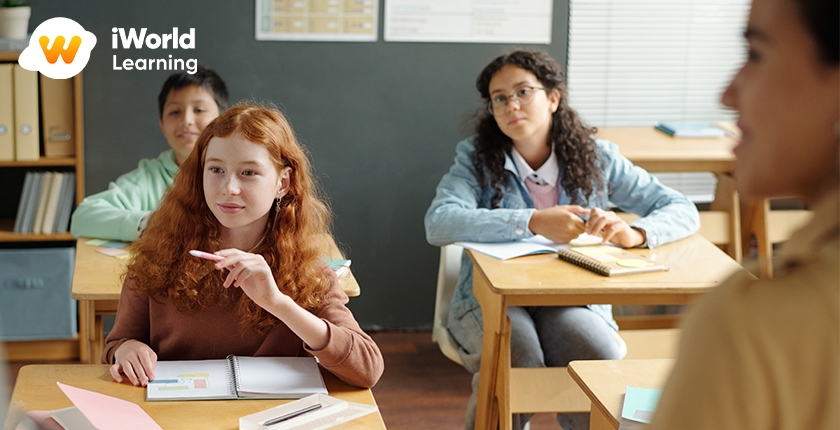
The key is finding worksheets that strike the right balance—challenging enough to stretch the child's abilities but not so difficult that they become demoralising. Many parents also appreciate answer keys, which allow them to guide their children effectively even if they aren't English specialists themselves.
Why the Right Approach Matters at This Stage
Primary 2 is a transitional year. Children are moving from learning to read to reading to learn. Their comprehension skills are developing rapidly, and their ability to express themselves in writing is beginning to take shape.
Using worksheets haphazardly can backfire. Too many repetitive exercises can bore a child and kill their natural curiosity about language. On the other hand, well-designed primary 2 English worksheets can build confidence and reinforce classroom learning in a meaningful way.
The goal isn't just to complete worksheets—it's to develop a genuine understanding of how English works. At this age, children are still highly receptive to language patterns. They absorb vocabulary and grammatical structures almost effortlessly when exposed to them in context.
Where to Find Quality English Worksheets in Singapore
Parents have several options when it comes to sourcing English worksheets for their Primary 2 child.
School-provided materials are often the most aligned with what's being taught in class. Teachers may distribute supplementary worksheets during the school term or recommend specific resources during parent-teacher meetings.
Online platforms offer a wide range of free and paid worksheets. Websites like K5 Learning, Twinkl, and British Council have dedicated sections for primary English practice. Some are designed specifically for the Singapore syllabus, while others follow international curricula.
Bookstores in Singapore stock assessment books from publishers like Educational Publishing House and Marshall Cavendish. These books are organised by topic and difficulty level, making them easy for parents to use at home.
Tuition centres often develop their own materials. Some language schools in Singapore, such as iWorld Learning, provide customised worksheets as part of their English enrichment programmes, helping students bridge gaps in their understanding through targeted practice.
How to Choose the Right Worksheets for Your Child
Selecting appropriate worksheets isn't just about grabbing whatever looks comprehensive. Here are a few practical guidelines for parents.
Assess your child's current level before diving into practice. A child struggling with basic sentence structure doesn't need advanced comprehension exercises—they need foundational grammar work. Similarly, a child who reads confidently might benefit more from vocabulary-building activities than from yet another grammar drill.
Look for variety. The best primary 2 English worksheets mix different question types—fill-in-the-blanks, multiple-choice, matching, short answers, and even simple creative writing prompts. This keeps the child engaged and tests different skills.
Check the difficulty progression. Quality worksheets typically start with easier questions and gradually increase in complexity. This scaffolding approach helps children build confidence before tackling more challenging material.
Consider the format. Some children respond better to colourful, visually appealing worksheets with illustrations. Others prefer clean, uncluttered layouts that minimise distractions. Observe what works for your child and choose accordingly.
Don't forget about answer keys. For parents who aren't English teachers, having model answers is invaluable. It allows you to explain why a particular answer is correct, which reinforces learning far more effectively than simply marking a tick or cross.
Common Questions About Primary 2 English Worksheets
Are worksheets enough to improve my child's English?
Worksheets are a useful supplement but shouldn't be the only method of learning. Reading storybooks together, having conversations in English, and encouraging your child to write short journal entries are equally important. A balanced approach that combines structured practice with real-world language use yields the best results.
How often should my child do English worksheets?
For most Primary 2 children, 15 to 20 minutes of worksheet practice two to three times a week is sufficient. The goal is consistent, focused practice rather than long, exhausting sessions. If your child shows signs of fatigue or frustration, it's better to take a break and try again another day.
What should I do if my child finds the worksheets too difficult?
Start with easier exercises to build basic confidence. Identify specific areas where your child struggles and focus on those topics first. You might also consider breaking longer worksheets into smaller sections to make them feel more manageable. If difficulties persist, speaking with your child's teacher for additional guidance can be very helpful.
相关文章
Recommended Reading
Popular Articles
-
English Teacher Salary in Singapore: A Complete 2026 Guide
-
The Ultimate english learning apps Bank: Categorized & Explained
-
British Council IELTS in 2026: What Changed, What It Costs, and How to Prepare
-
IELTS Price in 2026: What Test-Takers Actually Pay (And How to Spend Less)
-
The Complete 2026 Blueprint for O Level English Oral Topics 2026 Format & Strategy
-
IELTS Test Format, Scoring, and Key Changes for 2026 Explained
-
IELTS Exam Fee 2026: Complete Guide to Costs, Payment & Savings
-
PSLE 2026: Complete Guide to Exam Dates, Scoring System, and Preparation Strategies
-
IELTS Test Dates 2026: Monthly Schedule, Booking Strategy, and Prep Timeline
-
The Top 10 Tuition Centres in Singapore (2025) – A Curated Review for Parents & Students
latest articles
-
Internship Request Email: Student's Template
-
Counter-Offer From Your Employer: Responding
-
Award Nomination Email: Nominate a Peer
-
How to Pronounce 'Frites' in English and French Contexts
-
Lucidity: Meaning, Context and Natural Examples
-
Salvation: Meaning in Religious and Everyday Contexts
-
Mitigate Meaning in English: Usage, Grammar and Examples
-
Exit Interview Email: HR Templates
-
Empathic Synonyms: Differences in Meaning and Tone
-
Spelling Practice at Home: What Works