How Primary 4 English Composition Pictures Prep Helps Young Writers
Preparing for Primary 4 English composition pictures can feel overwhelming for both children and parents. Unlike lower primary levels where simple sentence construction suffices, Primary 4 marks a significant shift toward descriptive writing and storytelling. One of the most effective ways to build confidence and skill is through structured Primary 4 English composition pictures prep.
This guide explains why picture-based composition practice matters, what specific skills students need to develop, and how parents in Singapore can support their children’s learning journey.
What Primary 4 English Composition Pictures Prep Actually Means
Picture-based composition is a standard assessment component in Singapore’s primary English syllabus. Students receive a series of three to four pictures showing a sequence of events. Their task is to write a complete story based on these visual prompts.
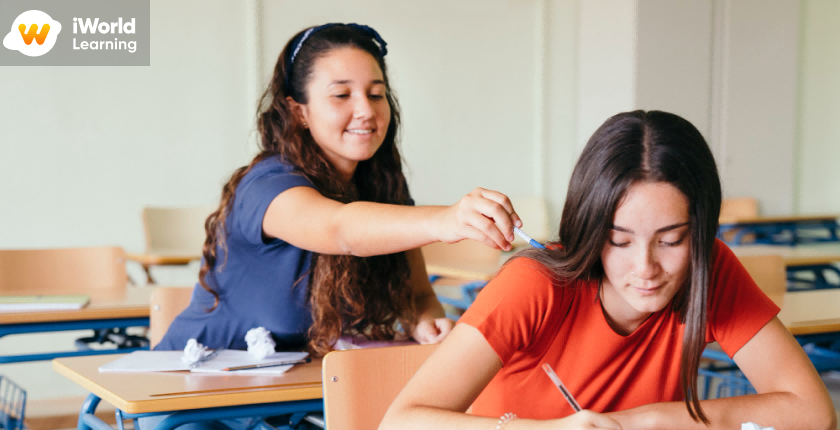
Primary 4 English composition pictures prep involves teaching children how to:
-
Observe details in each picture (characters, settings, objects, expressions)
-
Connect pictures logically to form a coherent storyline
-
Use appropriate vocabulary and sentence structures for each scene
-
Add dialogue and emotions to make the story engaging
-
Write a clear introduction and conclusion
At Primary 4, schools expect longer compositions—typically 120 to 150 words—with more descriptive language and fewer grammatical errors. Preparation goes beyond simply writing stories; it builds observation skills, sequencing ability, and creative thinking.
Why Many Primary 4 Students Struggle with Picture Compositions
A common situation many parents observe is this: Their child understands the pictures but writes a flat, boring story. The writing lacks details. The sentences are short and repetitive. The ending feels rushed or incomplete.
This problem happens for several reasons.
First, young writers often focus only on what is explicitly shown in the pictures. They miss implied actions, emotions, or consequences. For example, a picture of a boy holding a broken vase might lead a child to write “He broke the vase.” But a stronger writer would add why he was scared, how the vase fell, and what happened afterwards.
Second, students lack transitional vocabulary. They write “then… then… then” without using words like “suddenly,” “unfortunately,” “meanwhile,” or “as soon as.”
Third, exam pressure causes students to write without planning. They start writing immediately from picture one, resulting in stories that wander or fail to reach a proper ending within the time limit.
The good news is that consistent preparation using the right methods can turn these struggles into strengths.
Step 1: Build Observation and Vocabulary Skills
Effective Primary 4 English composition pictures prep starts before writing a single sentence.
Picture analysis practiceGive your child one picture at a time. Ask specific questions:
-
Who is in this picture? What are they feeling?
-
Where does this scene take place? What objects are around?
-
What just happened before this moment?
-
What might happen next?
Write down descriptive words your child suggests. Keep a vocabulary notebook organised by themes—emotions (anxious, embarrassed, relieved), actions (tiptoed, dashed, sobbed), and settings (crowded canteen, dimly lit corridor).
Word banks for common themesPrimary 4 composition topics often revolve around school incidents, family situations, or neighbourhood events. Prepare themed word lists:
-
Accident scenes: slipped, crashed, bleeding, panicked, ambulance
-
Lost items: searched frantically, retraced steps, relieved to find
-
Helping others: volunteered, rushed to help, grateful, kind deed
When your child has the right words ready, writing becomes less stressful.
Step 2: Teach the 5-Sentence Story Framework
Many young writers produce messy stories because they don’t know how to structure their ideas. A simple framework helps tremendously.
For a typical three-picture sequence:
Picture 1 – Introduction (2-3 sentences)Describe the character, setting, and the situation that starts the story.“It was a rainy Tuesday afternoon. Sarah was walking home from school when she noticed a small kitten shivering under a parked car.”
Picture 2 – Problem or action (3-4 sentences)This picture usually shows the main event—an accident, a discovery, or a decision. Build tension or excitement.“Without thinking, Sarah knelt down and reached for the kitten. Just as her fingers touched its wet fur, a loud clap of thunder scared the animal. It dashed straight across the road towards the busy traffic.”
Picture 3 – Resolution (2-3 sentences)Show how the problem ends. What happens to the characters?“A kind uncle on a bicycle stopped just in time. He scooped up the kitten and handed it to Sarah. She promised to bring it home and care for it.”
Conclusion (1-2 sentences)Reflect on what happened or state the outcome.“That night, Sarah’s family adopted the kitten and named it Thunder. Sarah learned that small acts of kindness could change a life.”
Practice this framework with past composition papers or sample picture sets available online or from assessment books.
Step 3: Practice Under Realistic Conditions
Exam performance matters as much as writing ability. Students need to complete a composition within 35 to 40 minutes.
Timed practice sessionsSet a timer. Give your child an unfamiliar picture set. Ask them to:
-
Spend 5 minutes studying pictures and planning (jot notes on characters’ names, key actions, three interesting vocabulary words)
-
Write for 30 minutes
-
Spend 5 minutes checking spelling and punctuation
Mark the composition together. Notice where they ran out of time or rushed the ending. Adjust the planning time or writing speed accordingly.
Common mistakes to correct
-
Starting every sentence with “Then” or “And then”
-
Forgetting to add feelings or dialogue
-
Ending with “I went home and slept” (a weak finish that shows lack of planning)
Teach alternative sentence starters: “Suddenly,” “Without warning,” “To her surprise,” “A few minutes later.”
Finding Support for Composition Writing in Singapore
Many parents enrol their children in English tuition specifically for composition writing. Small group classes allow students to practise picture analysis and receive feedback on their stories.
Some language schools in Singapore, such as iWorld Learning, offer structured writing programmes that focus on picture composition techniques, vocabulary building, and timed practice. These classes often include model compositions and step-by-step guidance on planning and editing.
When choosing a programme, look for classes that:
-
Provide regular marked compositions with specific comments
-
Teach planning strategies, not just writing practice
-
Offer exposure to a variety of picture themes (accidents, celebrations, moral dilemmas)
Building a Home Support Routine
Parents don’t need to be English teachers to help their children improve.
Weekly 20-minute practiceChoose one picture from a free online resource or assessment book. Spend 10 minutes discussing details and possible story paths. Spend 10 minutes writing only the opening paragraph or the problem scene. Keep it short and focused.
Read model compositions togetherAssessment books with model answers are useful. Read one model composition aloud. Ask your child: What did the writer describe that you wouldn’t have thought of? What three good phrases can you borrow for your own writing?
Encourage daily readingChildren who read storybooks naturally absorb vocabulary and sentence patterns. Even 15 minutes of reading before bed builds the mental library needed for confident writing.
Common Questions About Primary 4 English Composition Pictures Prep
How often should my child practise picture compositions?Once or twice a week is sufficient outside of schoolwork. Focus on quality over quantity. One well-planned and edited composition per week teaches more than three rushed, unmarked pieces.
What if my child can think of ideas but can’t write them well?This is common at Primary 4. Try oral practice first. Ask your child to tell you the story aloud. Record it. Then have them write down what they said. This separates idea generation from the physical act of writing, reducing pressure.
Are there common picture themes tested in Singapore schools?Yes. Typical themes include helping someone in trouble, getting lost in a shopping mall, causing an accident by accident, finding a lost item, or being late for school. Practising these themes builds familiarity and reduces exam anxiety.
How long should a Primary 4 composition be?Most schools expect 120 to 150 words for Primary 4. However, check your child’s school guidelines. Strong content matters more than hitting an exact word count. A well-structured 130-word story scores higher than a repetitive 180-word one.
Consistent Primary 4 English composition pictures prep transforms writing from a dreaded task into a manageable skill. With structured practice, the right vocabulary tools, and patient feedback, most students show noticeable improvement within two to three months. The goal isn’t perfection—it’s progress toward writing clear, interesting stories that capture what the pictures show and what they imply.
相关文章
Recommended Reading
Popular Articles
-
English Teacher Salary in Singapore: A Complete 2026 Guide
-
The Ultimate english learning apps Bank: Categorized & Explained
-
British Council IELTS in 2026: What Changed, What It Costs, and How to Prepare
-
IELTS Price in 2026: What Test-Takers Actually Pay (And How to Spend Less)
-
The Complete 2026 Blueprint for O Level English Oral Topics 2026 Format & Strategy
-
IELTS Test Format, Scoring, and Key Changes for 2026 Explained
-
IELTS Exam Fee 2026: Complete Guide to Costs, Payment & Savings
-
PSLE 2026: Complete Guide to Exam Dates, Scoring System, and Preparation Strategies
-
IELTS Test Dates 2026: Monthly Schedule, Booking Strategy, and Prep Timeline
-
The Top 10 Tuition Centres in Singapore (2025) – A Curated Review for Parents & Students
latest articles
-
My Child Hates Writing: A Parent's Repair Plan
-
Primary English Tuition Fees in Singapore: Cost Drivers
-
Choosing a Primary 1 English Class in Singapore
-
Tuition Deposits and Notice Periods: A Parent Checklist
-
Helping With Composition at Home: Mistakes to Avoid
-
Synonyms for 'Nervous': Match the Word to the Worry
-
'Fleetwood' as a Family Name: Origin and Usage
-
PSLE Composition Ideas: Build a Story Bank That Works
-
PSLE AL Scoring: Plan Practice Around the Bands
-
One-to-One vs Group TOEFL Prep: Costs and Fit