What Is the Spoken Language in Singapore? English and More
Introduction
If you are planning to move to Singapore for work or study, you might wonder what the main spoken language in Singapore actually is. The answer is not as simple as you might think.
Singapore is a multilingual country with four official languages. English, Mandarin, Malay, and Tamil all have official status. But in daily life, the language you hear most often depends on where you go and who you are talking to.
This article explains the role of English as the common spoken language in Singapore. It also looks at other languages you will encounter and how this affects English learners.
What Is the Most Common Spoken Language in Singapore
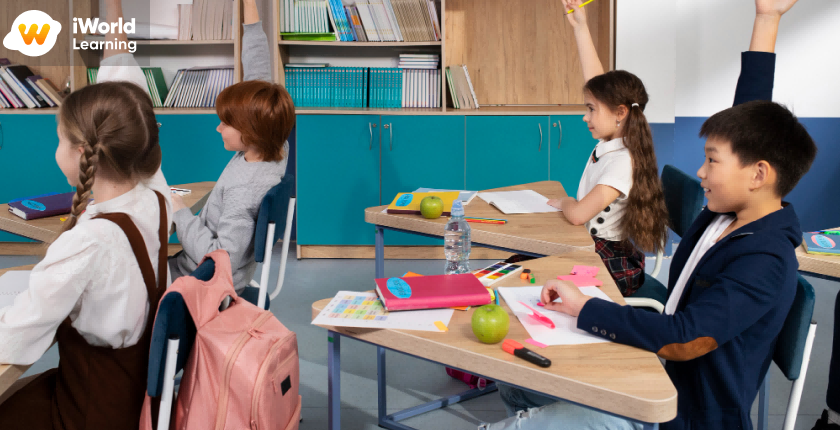
English is the primary working language and the medium of instruction in schools. It is also the language used in government, law, and business.
However, many Singaporeans speak a local creole called Singlish at home or with friends. Singlish combines English with words and grammar from Malay, Mandarin, Hokkien, Teochew, Cantonese, and Tamil.
For example, instead of saying “Can you help me carry this bag?” a Singlish speaker might say “Can help me carry this bag or not?”
Understanding this difference is useful if you are learning English in Singapore. Classroom English and daily spoken English can sound quite different.
Why Visitors and New Residents Ask About This
People search for the spoken language in Singapore because they want to know if they can communicate easily. Tourists worry about ordering food or asking for directions. Professionals need to know if English is enough for meetings and emails.
The good news is that English is widely understood. Almost all signs, menus, and transport announcements are in English. You can live, work, and travel in Singapore using only English.
But there is a catch. The local accent and the use of Singlish can take some getting used to. Even fluent English speakers sometimes struggle to follow fast conversations between locals.
Where You Will Hear Different Languages
While English is the main working language, other languages are very much alive.
In hawker centres and markets, you will hear Mandarin and dialects like Hokkien or Cantonese. Older Singaporeans may prefer speaking their mother tongue rather than English.
In Little India, Tamil is commonly spoken. You will also hear Hindi and Bengali in some shops and restaurants.
In the Malay community, Malay is the language of choice at home and in religious settings. Many Malay Singaporeans are bilingual in Malay and English.
In offices and schools, English dominates. But colleagues might switch to Mandarin or Malay during lunch breaks or informal chats.
For an English learner, this mix can be both challenging and exciting. You get constant exposure to native English in formal settings, plus natural opportunities to hear other languages.
How This Affects English Learning in Singapore
If you are taking English courses in Singapore, you will learn standard English. Teachers focus on grammar, vocabulary, and pronunciation that works internationally.
But you will also hear Singlish outside the classroom. Some learners find this confusing at first. A local might say “You want eat or not?” which is grammatically different from “Do you want to eat?”
However, most English schools prepare students for this. They explain common Singlish patterns so you can understand daily conversations without picking up non-standard habits.
Language schools in Singapore, such as iWorld Learning, often include real-world communication practice. This helps students move between classroom English and the English they hear on the street or in the office.
Tips for Navigating Language in Singapore
If your goal is to improve your English while living or staying in Singapore, here are practical suggestions.
Listen actively to different speakers. Pay attention to how your teacher speaks compared to how taxi drivers or shopkeepers speak. Notice the differences in grammar and sentence structure.
Ask for clarification politely. Singaporeans are generally helpful. If you do not understand something, say “Sorry, could you say that again?” Most people will switch to clearer English if they see you are a learner.
Learn a few phrases in other languages. Even greetings like “Ni hao” (Mandarin) or “Selamat pagi” (Malay) are appreciated. This shows respect and can make conversations friendlier.
Focus on written English first. Signs, menus, and official notices use standard English. Reading them is a low-pressure way to build vocabulary and confidence.
Common Questions About Singapore Spoken Language
Is English enough to get by in Singapore?
Yes, English is sufficient for daily life in Singapore. All official signs, transport announcements, and government services use English. Most Singaporeans speak at least basic English. However, you may hear Singlish, which is a local variation of English.
What is the difference between English and Singlish?
Standard English follows international grammar and pronunciation rules. Singlish uses simplified grammar, local words, and particles like “lah” or “leh” at the end of sentences. For example, “Don’t be late, okay?” becomes “Don’t late lah.” Most Singaporeans can switch between both depending on the situation.
Do I need to learn Mandarin or Malay to live in Singapore?
No, you do not need to learn Mandarin or Malay for basic living or working in Singapore. English is the main business and education language. Learning a few polite phrases in another language can be helpful for social situations but is not required.
Will learning English in Singapore help me understand Singlish?
Most English courses in Singapore teach standard British or international English. While they focus on correct grammar and pronunciation, many schools also explain common Singlish expressions. This helps you understand local conversations without adopting non-standard habits yourself.
相关文章
Recommended Reading
Popular Articles
-
English Teacher Salary in Singapore: A Complete 2026 Guide
-
The Ultimate english learning apps Bank: Categorized & Explained
-
British Council IELTS in 2026: What Changed, What It Costs, and How to Prepare
-
IELTS Price in 2026: What Test-Takers Actually Pay (And How to Spend Less)
-
The Complete 2026 Blueprint for O Level English Oral Topics 2026 Format & Strategy
-
IELTS Test Format, Scoring, and Key Changes for 2026 Explained
-
IELTS Exam Fee 2026: Complete Guide to Costs, Payment & Savings
-
PSLE 2026: Complete Guide to Exam Dates, Scoring System, and Preparation Strategies
-
IELTS Test Dates 2026: Monthly Schedule, Booking Strategy, and Prep Timeline
-
The Top 10 Tuition Centres in Singapore (2025) – A Curated Review for Parents & Students
latest articles
-
Internship Request Email: Student's Template
-
Counter-Offer From Your Employer: Responding
-
Award Nomination Email: Nominate a Peer
-
How to Pronounce 'Frites' in English and French Contexts
-
Lucidity: Meaning, Context and Natural Examples
-
Salvation: Meaning in Religious and Everyday Contexts
-
Mitigate Meaning in English: Usage, Grammar and Examples
-
Exit Interview Email: HR Templates
-
Empathic Synonyms: Differences in Meaning and Tone
-
Spelling Practice at Home: What Works