How to Encourage Creative Writing for Primary 3 Children
Introduction
Watching a Primary 3 child stare at a blank page can be frustrating for any parent. You know they have wonderful ideas, but somehow those ideas get lost between their imagination and the tip of their pencil. Creative writing for Primary 3 is a crucial milestone in Singapore’s English curriculum, yet many children find it daunting.
The good news is that writing creatively is a skill that can be nurtured. It is not about being born a natural storyteller. It is about building confidence, learning simple techniques, and finding the joy in expressing oneself through words. In Singapore’s competitive academic environment, developing this skill early can also ease the transition into upper primary, where composition writing becomes a significant component of English examinations.
This guide explains how parents can support their children in developing creative writing skills at home, what schools and tuition centres offer, and how to choose the right approach for your child.
What Creative Writing for Primary 3 Actually Involves
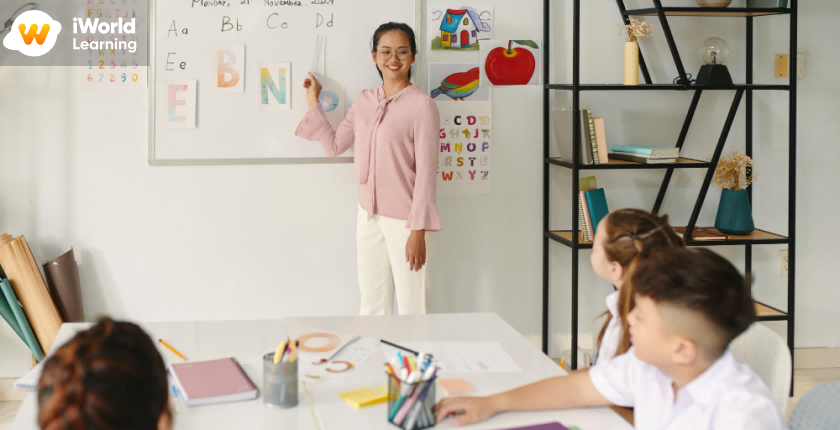
Creative writing at the Primary 3 level is not about producing literary masterpieces. It is about helping children organise their thoughts and communicate them clearly in written form. At this stage, children are typically expected to write short narratives based on a given topic or a series of pictures.
The focus is on three key areas: content, language, and organisation. Content refers to the ideas and imagination the child brings to the story. Language looks at vocabulary, grammar, and sentence structure. Organisation is about having a clear beginning, middle, and end.
In Singapore, schools often use the “show, not tell” technique to encourage descriptive writing. Instead of saying “the boy was sad,” children are taught to describe how the boy looked, what he did, and what he said to show his sadness. This is a big leap from the simple sentences they wrote in Primary 1 and 2.
Why This Matters for Your Child’s Education
Many parents wonder why creative writing receives so much attention in primary school. The reason goes beyond just scoring well in composition exams.
Creative writing develops critical thinking skills. When a child builds a story, they are making decisions about characters, plot, and setting. They are learning to sequence events logically and consider cause and effect. These cognitive skills are transferable to other subjects like science and social studies.
Writing also strengthens a child’s command of the English language. They learn new words, understand how sentences are constructed, and practice proper punctuation. This reinforces what they are learning in their grammar and vocabulary lessons.
In the long term, strong writing skills support academic success across all subjects. From writing clear explanations in science to constructing arguments in social studies, being able to write well is an advantage that carries through to secondary school and beyond.
How to Support Your Child at Home
Supporting a child’s creative writing at home does not require a teaching degree. Small, consistent efforts can make a significant difference over time.
Read Together Regularly
Reading is the foundation of good writing. When children read, they absorb vocabulary, sentence structures, and storytelling patterns without even realising it. Choose storybooks that your child enjoys and discuss them together. Ask questions like “What do you think will happen next?” or “Why did the character do that?” This builds comprehension and narrative awareness.
Create a Storytelling Habit
Encourage your child to tell stories aloud before writing them down. Storytelling removes the pressure of spelling and handwriting, allowing the child to focus on the creative process. You can take turns adding sentences to a story or use a simple story starter like “One day, I found a mysterious key under my pillow…”
Use Picture Prompts
For Primary 3 children, picture prompts are particularly effective. Look at a picture together and ask your child to describe what they see, what might have happened before, and what could happen next. This builds the habit of observing details and developing narratives around them.
Build Vocabulary Playfully
Instead of drilling vocabulary lists, introduce new words through games. Play word association games, create silly sentences with new vocabulary, or have a “word of the day” challenge. The goal is to make vocabulary building feel like fun, not work.
Available Options for Extra Support in Singapore
If your child needs more structured guidance, there are many options available in Singapore. Parents can choose from school-based programmes, enrichment centres, or private tuition.
Many enrichment centres in Singapore offer dedicated creative writing programmes for primary school students. These programmes usually follow a structured curriculum that covers various writing techniques, from story planning to descriptive writing and editing. Classes are typically conducted in small groups, allowing for individualised feedback.
For parents looking for more flexibility, some centres also offer holiday programmes and workshops focused specifically on creative writing. These can be a good way to give your child a short burst of focused practice without committing to a long-term course.
Private tuition is another popular option, especially for parents who want one-on-one attention for their child. A private tutor can tailor lessons to your child’s specific needs and learning pace.
Some language schools in Singapore, such as iWorld Learning, offer small-group English courses designed to improve communication skills, which often include writing components tailored to the local curriculum. These can be a balanced option between the structured environment of a tuition centre and the personalised attention of private tutoring.
How to Choose the Right Approach
Choosing the right support for your child can feel overwhelming with so many options available. Here are some factors to consider.
Assess Your Child’s Needs. Before enrolling in any programme, think about what your child actually needs. Are they struggling with generating ideas? Do they have difficulty organising their thoughts? Or is their main challenge with spelling and grammar? Different programmes emphasise different skills, so matching the programme to your child’s needs is important.
Consider Learning Style. Some children thrive in group settings where they can bounce ideas off others. Others perform better with one-on-one attention. Think about your child’s personality and previous experiences with group classes.
Check the Curriculum. Ask about the curriculum and teaching methods. A good creative writing programme should cover story structure, descriptive techniques, vocabulary building, and editing skills. It should also provide regular practice and constructive feedback.
Look for Qualified Instructors. Instructors should have experience teaching young children and a good understanding of Singapore’s English curriculum. This ensures that the skills taught are aligned with what is expected in school.
Budget and Location. Practical considerations matter too. Tuition fees vary widely, and location can affect how sustainable the arrangement is in the long run. Choose a solution that fits your budget and is conveniently located to reduce travel stress for both you and your child.
Building Long-Term Writing Confidence
Ultimately, the goal of creative writing for Primary 3 is not just about exam performance. It is about helping children find their voice and express themselves confidently in writing.
Celebrate small victories. Praise your child for effort, not just for perfect work. A completed story, a well-written sentence, or a creative idea are all achievements worth acknowledging. This builds a positive association with writing that can last a lifetime.
Be patient. Some children take longer than others to develop their writing skills. With consistent practice and encouragement, most children make steady progress. The key is to keep the process enjoyable and low-pressure.
Remember that every child’s journey with creative writing is unique. Some will naturally gravitate towards storytelling, while others may prefer writing about real-world topics. Encouraging exploration and finding what sparks your child’s interest will go a long way in building a lasting love for writing.
Common Questions About Creative Writing for Primary 3
How much time should a Primary 3 child spend on creative writing practice each week?
For Primary 3 children, 20 to 30 minutes of writing practice two to three times a week is usually sufficient. Short, consistent practice is more effective than longer, less frequent sessions. This can include writing a short paragraph, completing a picture prompt, or expanding a simple story starter.
Is it better to focus on content or grammar for a Primary 3 child?
At this stage, content and creativity should be the primary focus. Grammatical accuracy will improve with reading and writing practice. Overemphasising grammar can discourage children and make writing feel like a chore. Encourage your child to write freely first, and gently address grammar points during editing.
What if my child says they have no ideas for writing?
This is a common challenge. Use prompts, pictures, or real-life experiences to spark ideas. Ask questions like “What if your pencil could talk?” or “What would happen if you woke up with superpowers?” Keeping a small notebook to jot down interesting ideas can also help build a repository of writing inspiration.
How can I tell if my child is struggling with creative writing?
Signs that a child may be struggling include avoiding writing tasks, writing very short or simple sentences, repeating the same ideas, or expressing frustration during writing time. If these signs persist, consider seeking additional support from a tutor or enrichment programme to address the specific challenges your child is facing.
相关文章
Recommended Reading
Popular Articles
-
English Teacher Salary in Singapore: A Complete 2026 Guide
-
The Ultimate english learning apps Bank: Categorized & Explained
-
British Council IELTS in 2026: What Changed, What It Costs, and How to Prepare
-
IELTS Price in 2026: What Test-Takers Actually Pay (And How to Spend Less)
-
The Complete 2026 Blueprint for O Level English Oral Topics 2026 Format & Strategy
-
IELTS Test Format, Scoring, and Key Changes for 2026 Explained
-
IELTS Exam Fee 2026: Complete Guide to Costs, Payment & Savings
-
PSLE 2026: Complete Guide to Exam Dates, Scoring System, and Preparation Strategies
-
IELTS Test Dates 2026: Monthly Schedule, Booking Strategy, and Prep Timeline
-
The Top 10 Tuition Centres in Singapore (2025) – A Curated Review for Parents & Students
latest articles
-
Internship Request Email: Student's Template
-
Counter-Offer From Your Employer: Responding
-
Award Nomination Email: Nominate a Peer
-
How to Pronounce 'Frites' in English and French Contexts
-
Lucidity: Meaning, Context and Natural Examples
-
Salvation: Meaning in Religious and Everyday Contexts
-
Mitigate Meaning in English: Usage, Grammar and Examples
-
Exit Interview Email: HR Templates
-
Empathic Synonyms: Differences in Meaning and Tone
-
Spelling Practice at Home: What Works