Is a PSLE Writing Course in Singapore Worth It for Your Child?
Introduction
Every parent in Singapore remembers the moment their child brings home a composition exercise and stares at the blank page. The PSLE English paper includes a writing component worth 40 marks – 20 for content and 20 for language. That is a significant chunk of the overall score.
For many families, the question becomes whether a PSLE writing course in Singapore can actually help their child move from struggling to confident. The short answer is yes, but only if the course matches your child’s specific needs.
This guide looks at what these courses actually teach, how to spot a good one, and whether extra help is necessary for your Primary 6 child.
What a PSLE Writing Course in Singapore Actually Covers
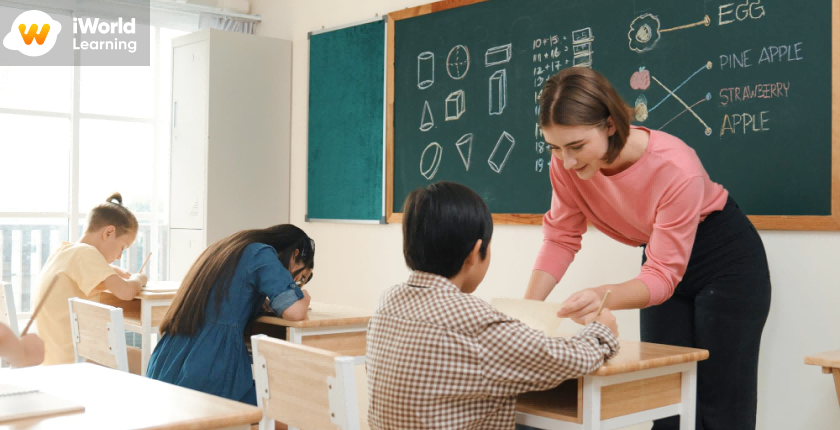
A proper writing course goes far beyond telling students to “write more vividly”. Here is what effective programmes focus on:
Planning skills. Many children start writing without any roadmap. A good course teaches the 5–10 minute planning process – identifying the problem in the story, deciding on a resolution, and mapping out three clear paragraphs.
Vocabulary building. Instead of memorising long lists, students learn substitution techniques. Changing “went” to “rushed” or “strolled” makes a difference. Changing “happy” to “overjoyed” or “relieved” adds emotional depth.
Show, not tell. This is the biggest gap in most primary writing. A child might write “He was sad”. A trained student writes “His shoulders slumped. He blinked rapidly and stared at the floor.”
Situational writing practice. Many parents forget that PSLE English Paper 1 has two sections – situational writing (15 marks) and continuous writing (25 marks). Courses cover both.
Why So Many Parents Search for Writing Help
Primary school English in Singapore has changed. The old model of memorising model compositions no longer works. Examiners look for original thinking, proper sequencing, and authentic expression.
Three common problems drive parents to seek a PSLE writing course in Singapore:
First, time pressure. Children have 1 hour and 10 minutes for Paper 1. Without a clear structure, they panic and produce disjointed work.
Second, feedback gaps. Classroom teachers have 30–40 students. They cannot provide detailed feedback on every composition. A child keeps making the same mistakes without realising it.
Third, topic diversity. PSLE composition topics range from “An Act of Kindness” to “A Difficult Decision” to “A Mistake I Learned From”. Each requires a different approach. Without guided practice across multiple themes, children get caught off guard.
Available Options for PSLE Writing Courses in Singapore
Parents have several choices, each with different strengths.
Tuition centres with dedicated writing programmes. These are the most common option. Classes typically run once a week for 1.5 to 2 hours. Group sizes vary from 6 to 15 students. The advantage is structured curriculum and regular practice. Language schools in Singapore, such as iWorld Learning, offer small-group English courses that integrate PSLE writing preparation with overall language development.
Private tutors specialising in PSLE English. One-to-one attention means personalised feedback. A good tutor identifies exactly where a child struggles – whether it is idea generation, grammar, or time management. The downside is higher cost, typically 60–120 per hour.
Online writing courses. These have grown significantly since 2020. Video lessons, downloadable worksheets, and marked assignments. Suitable for self-motivated students. Less effective for children who need hands-on guidance.
School-based remedial or enrichment. Some primary schools run their own writing workshops for P6 students. These are often free or low-cost. The quality varies by school.
How to Choose the Right Writing Course for Your Child
Not every course delivers results. Here is what to look for.
Class size matters. If a writing course has more than 10 students, your child will not get sufficient individual feedback on their compositions. Ask about the teacher-to-student ratio before signing up.
Marked work should be detailed. Request a sample of marked composition from the centre. Look for specific comments, not just ticks and a final score. Good feedback points out exact sentences that work and exact phrases that need improvement.
The teacher’s background. Ideally, the instructor has experience marking PSLE English or teaching primary school English. Ask about their qualifications directly.
Practice volume. A course should require at least one full composition every week. Anything less is insufficient. Practice needs to be consistent, not crammed before exams.
Progress tracking. How does the centre show improvement? Some provide termly reports comparing vocabulary range, sentence structure variety, and error patterns. This helps you see if the course is actually working.
A Common Mistake Parents Make
Many families wait until Term 3 of Primary 6 to start writing courses. That is usually too late.
PSLE writing improvement takes time. Building vocabulary, mastering different story structures, and reducing grammatical errors require consistent practice over months.
Starting in Primary 5 or early Primary 6 gives the child room to experiment, make mistakes, and refine their approach. Starting late creates pressure and anxiety, which defeats the purpose of learning to write confidently.
Self-Practice Strategies Alongside a Course
Even with the best PSLE writing course in Singapore, what happens at home matters.
Keep a vocabulary journal. Each week, the child adds 5–10 descriptive phrases they encounter in books. Review these together.
Timed practice at home. Once a week, give your child a random PSLE-style topic. Set a timer for 1 hour and 10 minutes. Simulate exam conditions. Afterward, review together using the same criteria examiners use.
Read model compositions critically. Do not just read them. Ask your child: What makes this opening effective? Where does the writer use sensory details? How does the writer transition between paragraphs?
Focus on introductions and conclusions. These leave the strongest impression. A weak opening loses the reader. A rushed conclusion undermines everything before it.
What Realistic Improvement Looks Like
Do not expect a child to jump from 15/40 to 35/40 in two months. That rarely happens.
Realistic improvement is gradual. A child who consistently scored 18–20 might reach 26–28 after four months of dedicated practice. A child who scored 28 might reach 32–34.
The goal is not perfection. The goal is consistency – the ability to walk into the exam hall and produce a solid, well-structured composition regardless of the topic.
Common Questions About PSLE Writing Course in Singapore
When should my child start a PSLE writing course?
Most experts recommend starting in the first half of Primary 6 or even the second half of Primary 5. This gives enough time to learn techniques, practice extensively, and correct recurring mistakes before the exam pressure builds.
How many hours per week are ideal for writing practice?
Two structured hours (class or tutor) plus one hour of self-practice at home works well for most students. Consistency matters more than total hours. Thirty minutes daily produces better results than four hours on a single day.
Can my child improve PSLE writing without outside help?
Yes, if you have the time and skills to provide detailed feedback. Review your child’s compositions together. Identify patterns in grammar errors. Work on specific skills like dialogue punctuation or descriptive openings. Many parents succeed with this approach, but it requires commitment.
What is the average cost of a PSLE writing course in Singapore?
Group tuition centres charge 300–600 per month for weekly 1.5–2 hour sessions. Private tutors range from 60–120 per hour. Online courses are typically 200–400 for a full term of materials and marking. School-based programmes, if available, cost 50–150 per term.
Every child writes differently. Some need help with ideas. Some already have ideas but cannot organise them. Others write fluently but make repeated grammar mistakes. A good PSLE writing course in Singapore identifies which problem your child has and addresses it directly. That targeted approach – not generic advice – is what moves the score.
相关文章
Recommended Reading
Popular Articles
-
English Teacher Salary in Singapore: A Complete 2026 Guide
-
The Ultimate english learning apps Bank: Categorized & Explained
-
British Council IELTS in 2026: What Changed, What It Costs, and How to Prepare
-
IELTS Price in 2026: What Test-Takers Actually Pay (And How to Spend Less)
-
The Complete 2026 Blueprint for O Level English Oral Topics 2026 Format & Strategy
-
IELTS Test Format, Scoring, and Key Changes for 2026 Explained
-
IELTS Exam Fee 2026: Complete Guide to Costs, Payment & Savings
-
PSLE 2026: Complete Guide to Exam Dates, Scoring System, and Preparation Strategies
-
IELTS Test Dates 2026: Monthly Schedule, Booking Strategy, and Prep Timeline
-
The Top 10 Tuition Centres in Singapore (2025) – A Curated Review for Parents & Students
latest articles
-
Internship Request Email: Student's Template
-
Counter-Offer From Your Employer: Responding
-
Award Nomination Email: Nominate a Peer
-
How to Pronounce 'Frites' in English and French Contexts
-
Lucidity: Meaning, Context and Natural Examples
-
Salvation: Meaning in Religious and Everyday Contexts
-
Mitigate Meaning in English: Usage, Grammar and Examples
-
Exit Interview Email: HR Templates
-
Empathic Synonyms: Differences in Meaning and Tone
-
Spelling Practice at Home: What Works