Are You Searching for a Singapore Primary 1 English Textbook PDF?
Finding the right learning materials for a child starting primary school can feel like a big step. For many parents in Singapore, the search often begins with a simple query: "Singapore Primary 1 English textbook PDF." This search reflects a genuine desire to get ahead, understand the curriculum, and support young learners as they transition into formal education. While the idea of having a digital copy of the textbook is convenient, there is a lot more to consider for effective learning.
The search for a digital textbook often reveals more about what parents need than just a file. It shows a proactive approach to education, a wish to bridge the gap between preschool and primary school, or perhaps a need to help a child catch up or prepare for the new academic year. However, simply having the PDF of the textbook is rarely the complete solution for a child's language development.
Understanding What "Primary 1 English Textbook PDF" Really Means
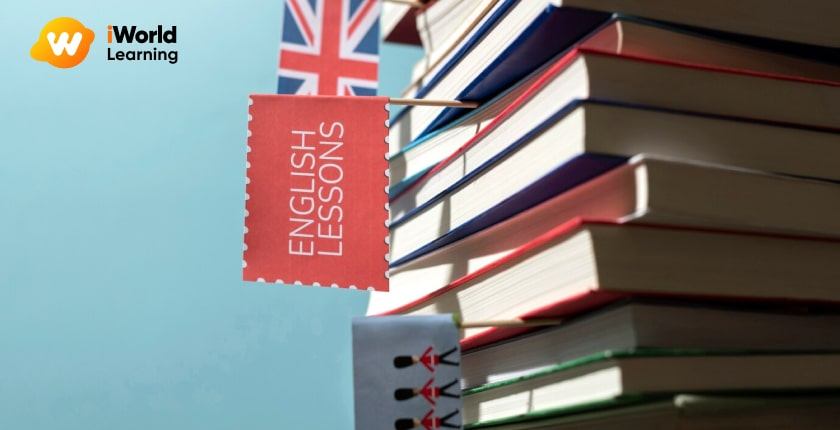
When parents search for a "Singapore Primary 1 English textbook PDF," they are typically looking for the official curriculum material used in local schools. In Singapore, the main textbook series for English at the Primary 1 level is often the "Stellar" (Strategies for English Language Learning and Reading) programme, which is a literature-based approach to teaching English. However, these textbooks are usually provided by the schools themselves.
Distributing copies of the textbook online is often a violation of copyright, so you might not find the official 2026 editions available for free download on legitimate websites. Instead, this search often branches out into looking for supplementary materials, assessment books, or past-year exam papers that mimic the school's curriculum. These resources can be valuable, but they should not be mistaken for the core instructional material that the teacher uses in class.
The Shift to Supplementary Learning Materials
Rather than focusing on a single elusive PDF file, a more productive approach is to explore the wealth of supplementary resources available. Many educational publishers in Singapore produce workbooks and practice papers that align with the Ministry of Education (MOE) syllabus. These books often break down the components of English—such as grammar, vocabulary, comprehension, and writing—into manageable exercises suitable for six- to seven-year-olds.
Focusing solely on a digital textbook might also mean missing out on the variety of media used in modern classrooms. Schools use big books, audio recordings, and interactive whiteboard activities. Therefore, while a PDF might offer a glimpse into the content, it does not replicate the classroom experience.
Supplementing the Textbook in Real Life
If you have managed to get your hands on a copy of a primary 1 English textbook or the recommended reading list, the next step is using it effectively. The textbook is often a starting point. The real learning happens when you extend the lessons into daily life. For example, if the textbook unit is about "My Family," you can practice the vocabulary at the dinner table by asking questions about family members or describing their roles.
This is where parents play a crucial role in reinforcing the language. However, we must also acknowledge that teaching English as a second language or formal academic language can be challenging, especially if the child is more comfortable speaking Mandarin or another mother tongue at home. Sometimes, a professional's guidance can make a significant difference in a child's confidence and foundational skills.
The Role of Tuition and Enrichment Classes
Many parents eventually look beyond the textbook to tuition or enrichment classes. This is often because they realise that the textbook is just a guideline. A teacher or tutor is needed to bring the language to life. In a class setting, children get to practice speaking, listening, and interacting with peers, which is something a static PDF cannot provide.
For parents who have realised that their child might need more structured support, there are various options across Singapore. You can find a mix of large tuition centres, home-based tutors, and smaller, specialised language schools. Some language schools in Singapore, such as iWorld Learning, offer small-group English courses designed to improve communication skills and prepare children for the demands of primary school. This can be a solid alternative to simply relying on a file at home, as it provides the human element necessary for language acquisition.
Balancing Digital Content and Physical Books
If you are concerned about the cost or the environment, the desire for a PDF is understandable. However, consider the learning style of a Primary 1 child. At this age, children benefit greatly from tactile activities. Physical books allow them to flip pages, colour, highlight, and write directly in the margins. The act of writing helps with memory retention. If a PDF is used, it is usually best to print out specific worksheets or reading passages rather than reading the entire textbook off a screen, which can be fatiguing and distracting for young learners.
The Ministry of Education encourages reading for pleasure. While the textbook teaches the syllabus, reading storybooks is what builds a child's love for English. The local library or bookstores are excellent resources for finding storybooks that match your child's reading level, offering a better foundation than any single textbook.
How to Use Digital Resources Effectively
If you are determined to use a digital format, ensure that it is used as a reference rather than a lesson plan. You can download past-year papers or practice tests from reputable educational sites. These often come in PDF format and serve as an excellent tool for assessing your child's understanding after you have gone through a topic. Timing your child with a practice paper is a good way to prepare them for the exam environment, but it should not replace teaching.
Always verify the source of any digital material you find. Since the MOE syllabus can be updated, you must ensure that any PDF you use is aligned with the current year's edition. The curriculum for 2026 might have slight adjustments compared to previous years.
FAQ
Is it legal to download a Singapore Primary 1 English textbook PDF for free?
In most cases, no. The official textbooks published for the MOE syllabus are protected by copyright. While you might find third-party sellers offering PDFs, these are often unauthorised copies. It is best to wait for the school to distribute the official materials or purchase them from authorised bookstores.
What should I do if I lose my child's Primary 1 English textbook?
You should contact your child's school's general office or bookshop immediately. They can advise on the procedure for ordering a replacement copy from the approved publisher. Alternatively, you can ask the teacher for copies of the relevant pages or worksheets while waiting for the new book to arrive.
Are there any free digital resources for Primary 1 English that are legal?
Yes. The National Library Board (NLB) offers a range of digital resources, including eBooks and audiobooks, suitable for children. Additionally, the MOE has published some learning resources online, and there are free educational websites like "KooBits" or "British Council LearnEnglish Kids" that have free activities aligned with primary levels.
How can I get a trial lesson for my child in Singapore?
If you are considering enrichment, many centres offer trial lessons. To book a free trial lesson at a reputable school, you can contact them directly via WhatsApp. For instance, you can reach out to the admissions team at +65 8798 0083 for inquiries. It’s a good way to see if the teaching style fits your child before committing.
相关文章
Recommended Reading
Popular Articles
-
English Teacher Salary in Singapore: A Complete 2026 Guide
-
The Ultimate english learning apps Bank: Categorized & Explained
-
British Council IELTS in 2026: What Changed, What It Costs, and How to Prepare
-
IELTS Price in 2026: What Test-Takers Actually Pay (And How to Spend Less)
-
The Complete 2026 Blueprint for O Level English Oral Topics 2026 Format & Strategy
-
IELTS Test Format, Scoring, and Key Changes for 2026 Explained
-
IELTS Exam Fee 2026: Complete Guide to Costs, Payment & Savings
-
PSLE 2026: Complete Guide to Exam Dates, Scoring System, and Preparation Strategies
-
IELTS Test Dates 2026: Monthly Schedule, Booking Strategy, and Prep Timeline
-
The Top 10 Tuition Centres in Singapore (2025) – A Curated Review for Parents & Students
latest articles
-
Internship Request Email: Student's Template
-
Counter-Offer From Your Employer: Responding
-
Award Nomination Email: Nominate a Peer
-
How to Pronounce 'Frites' in English and French Contexts
-
Lucidity: Meaning, Context and Natural Examples
-
Salvation: Meaning in Religious and Everyday Contexts
-
Mitigate Meaning in English: Usage, Grammar and Examples
-
Exit Interview Email: HR Templates
-
Empathic Synonyms: Differences in Meaning and Tone
-
Spelling Practice at Home: What Works