IGCSE English Exam Practice SG: How to Prepare Effectively
If you are a secondary school student in Singapore preparing for the IGCSE English exam, you already know that consistent practice makes a real difference. The exam tests reading, writing, speaking, and listening skills. Without structured IGCSE English exam practice in SG, many students feel unsure about what examiners actually want.
This article walks you through practical strategies, common mistakes to avoid, and where to find quality preparation support in Singapore.
Why IGCSE English Requires a Different Kind of Practice
Unlike primary school English exams, IGCSE English does not just test grammar rules or vocabulary lists. Examiners look for critical thinking, text analysis, and the ability to write clearly for different audiences.
Many students realise too late that memorising model essays does not work well for this exam. The reading paper asks you to compare two or three unseen texts. The writing paper requires you to shift between formal letters, journalistic articles, and narrative pieces.
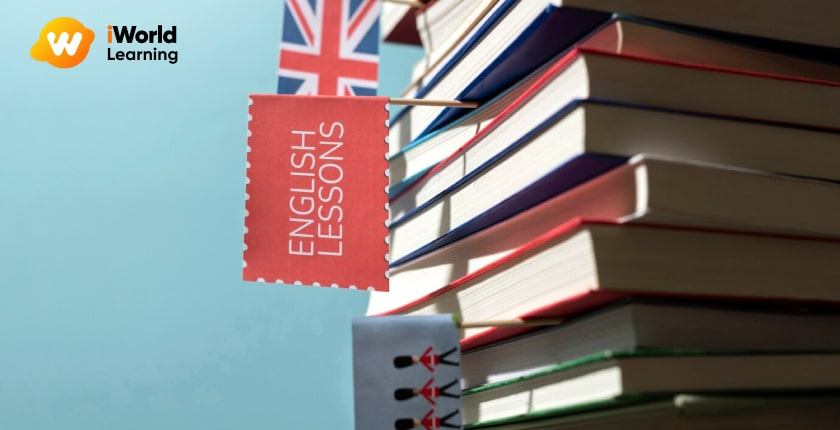
That is why focused IGCSE English exam practice in SG should include timed exercises, exposure to various text types, and detailed feedback on your writing structure.
The Most Common Mistake Students Make
Here is what happens with many learners. They buy several past-year papers and complete them at home. They check their answers against the mark scheme. Then they move on to the next paper without ever understanding why they lost marks.
This approach builds familiarity but not skill. The gap between “I finished the paper” and “I answered what the examiner wanted” is often quite wide.
The better method involves marking your work honestly, then rewriting weak answers. For comprehension questions, note which question words confuse you. For summary writing, practise cutting down long sentences into precise phrases.
Where to Find Quality IGCSE English Exam Practice in SG
Several tuition centres in Singapore specialise in IGCSE preparation. Some schools like iWorld Learning offer small-group classes where students practise past papers under timed conditions and receive personalised feedback on their writing.
You can also find practice materials from these sources:
-
British Council Singapore – offers IGCSE-focused workshops during school holidays
-
Popular Bookstore – carries IGCSE revision guides from Cambridge-approved publishers
-
School resource libraries – many international schools allow independent candidates to purchase past papers
Online platforms such as PapaCambridge and Save My Exams provide topic-by-topic practice questions with examiner comments. These are useful for targeted revision when you know which question types you struggle with.
How to Structure Your Weekly Practice Schedule
Random practice does not produce steady improvement. A better approach divides your week into three focus areas.
Day 1–2: Reading comprehensionPick one passage and answer all questions. Then compare your answers to the mark scheme. Write down three things you missed. Re-attempt the hardest question without looking at the model answer.
Day 3–4: Writing tasksChoose one writing genre each week. For example, practise a persuasive speech on Monday. Write a report on Thursday. Ask someone to read your work and tell you if the tone matches the intended audience.
Day 5: Speaking and listeningRecord yourself answering discussion-style questions. Listen back. Note filler words such as “um” or “like”. Prepare short opinions on common IGCSE topics like environmental issues or education.
Day 6–7: Mixed timed practiceComplete one full paper under exam conditions. Use a timer. No phone. No dictionary. After marking, create a one-page list of patterns you need to fix before next week.
What Makes IGCSE English Exam Practice in SG Different From Other Curricula
Singapore students often switch from the local O-Level syllabus to IGCSE. The difference can feel confusing at first. IGCSE English places more weight on original expression and less on set texts. You do not memorise quotes from a single novel. Instead, you analyse whatever passage appears on the paper.
This means your preparation must emphasise adaptability. Practise with short stories, news articles, opinion pieces, and even advertisements. Learn to spot persuasive techniques quickly.
Another difference is the speaking component. Some students find this stressful because it feels less structured than a written paper. The solution is simple. Practise thinking out loud for one minute on random topics. Ask a friend to ask you follow-up questions.
Tracking Your Progress Without Feeling Discouraged
It is easy to look at a low practice score and feel stuck. But progress in IGCSE English does not always show up as higher marks immediately. Sometimes improvement looks like finishing on time for the first time. Or writing a clear introduction without crossing out sentences.
Keep a simple log after each practice session. Write down:
-
What went better than last time
-
One specific thing to improve next session
-
A small win (e.g., “used better vocabulary for emotions”)
After four weeks, look back at your first practice paper. You will likely see clearer organisation and fewer basic errors. That is real progress.
When to Seek Extra Help
Self-study works well for motivated learners. But some students reach a plateau where their scores stop improving despite regular practice. This often happens with writing tasks or the summary question.
A tutor or small class can provide feedback that no answer key can offer. They can show you exactly where your sentence structure weakens your argument. They can also explain why the mark scheme rejected your answer even when it seemed correct to you.
If you are searching for structured IGCSE English exam practice in SG, look for classes that include marked writing assignments, not just answer checking. The feedback is where real learning happens.
Common Questions About IGCSE English Exam Practice SG
How many months of practice are enough for IGCSE English?Most students benefit from three to six months of consistent practice. If your current English grades are below a C, start at least six months before the exam. This gives you time to rebuild basic sentence skills before moving to exam techniques.
Can I pass IGCSE English using only online resources?Yes, but only if you actively mark your work and rewrite incorrect answers. Online resources provide plenty of materials, but without feedback from a teacher or experienced peer, you may repeat the same mistakes without realising it.
What is the hardest part of IGCSE English for Singapore students?The summary question and writer’s effect questions often cause the most difficulty. Summary requires cutting information down without losing key points. Writer’s effect asks you to explain why a specific word or phrase creates a particular feeling, which feels unfamiliar to students used to comprehension that only tests factual recall.
How different is IGCSE English from the Singapore O-Level English syllabus?IGCSE English emphasises analysis of unseen texts and does not require set text memorisation. O-Level English includes more situational writing formats familiar to local students. However, both exams test clear communication, so strong skills transfer between them.
相关文章
Recommended Reading
Popular Articles
-
English Teacher Salary in Singapore: A Complete 2026 Guide
-
The Ultimate english learning apps Bank: Categorized & Explained
-
British Council IELTS in 2026: What Changed, What It Costs, and How to Prepare
-
The Complete 2026 Blueprint for O Level English Oral Topics 2026 Format & Strategy
-
IELTS Price in 2026: What Test-Takers Actually Pay (And How to Spend Less)
-
IELTS Test Format, Scoring, and Key Changes for 2026 Explained
-
IELTS Exam Fee 2026: Complete Guide to Costs, Payment & Savings
-
PSLE 2026: Complete Guide to Exam Dates, Scoring System, and Preparation Strategies
-
IELTS Test Dates 2026: Monthly Schedule, Booking Strategy, and Prep Timeline
-
The Top 10 Tuition Centres in Singapore (2025) – A Curated Review for Parents & Students
latest articles
-
How to Read a Marked English Script
-
Write a P3 Why-Answer with a Clue and Because
-
Should You Continue Primary 6 English Tuition After One Term?
-
Comparing PSLE English Tuition - 12 Questions for Parents
-
IELTS General Training for Singapore PR Plans - Check the Requirement First
-
IELTS Speaking Part 3 - Build Answers Beyond One Opinion
-
O-Level English Exam Strategy - Match Revision to the Weakest Process
-
Build a Primary-School Reading Habit That Improves Understanding
-
PSLE Grammar and Vocabulary Tuition - Diagnose the Error Before Choosing
-
Build the Reasoning Skills PSLE English Questions Actually Need