A Parent's Guide to Primary 3 Oral Picture Discussion Success
If your child is in Primary 3, you have likely heard about the oral picture discussion component of their English examination. It is one of those segments that can cause anxiety for both parents and students. The good news is that with the right preparation and understanding, your child can approach this confidently and perform well.
This guide will walk you through what the Primary 3 oral picture discussion involves, why it matters, and how you can support your child at home. We will also explore structured learning options available in Singapore for those seeking additional guidance.
What Does the Primary 3 Oral Picture Discussion Involve?
The Primary 3 oral picture discussion is a structured speaking assessment. During this exercise, students are presented with a picture depicting a scene with people, activities, and details. The examiner will ask the child to describe what they see and then pose follow-up questions that require interpretation, prediction, and personal opinion.
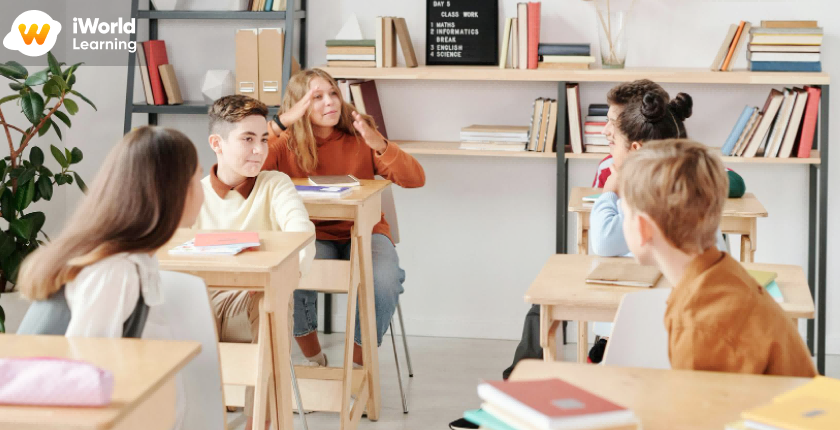
For example, a picture might show children playing at a park, a family having dinner, or a scene at a school canteen. The child is expected to observe carefully, describe the setting and characters, and explain what might be happening. The discussion then expands to include questions like "What do you think will happen next?" or "Have you ever experienced something similar?"
This is not a memory test. It is designed to assess the child's ability to communicate clearly in English, use appropriate vocabulary, and demonstrate critical thinking. Examiners are looking for fluency, confidence, and the ability to stay on topic.
Why the Primary 3 Oral Picture Discussion Matters for Your Child
The Primary 3 oral picture discussion is more than just an examination component. It serves as an early indicator of your child's verbal communication skills, which are essential for academic progress and social development.
In Singapore's education landscape, English oral examinations begin in Primary 3 and become progressively more important. The skills your child develops now will directly impact their performance in the PSLE oral examination later on. More importantly, the confidence gained from expressing ideas clearly will benefit them in presentations, group discussions, and everyday interactions throughout their schooling years.
From a learning perspective, this exercise encourages children to pay attention to details, think creatively, and organise their thoughts quickly. These are cognitive skills that support learning across all subjects, not just English.
What Parents Can Do to Support Preparation at Home
Supporting your child at home does not require expensive resources or extensive teaching experience. It involves creating opportunities for conversation and observation in everyday settings.
Start by having regular conversations with your child about their day. Ask open-ended questions that require more than a yes or no answer. For instance, instead of asking "Did you have a good day?", try "What was the most interesting thing that happened at school today?" This encourages your child to describe events, express feelings, and sequence information logically.
Another effective strategy is to use picture books or family photographs. Ask your child to describe what they see in the picture, what the people might be feeling, and what might happen next. This mirrors the structure of the Primary 3 oral picture discussion and helps children become comfortable with thinking aloud.
You can also watch short video clips together and pause to discuss the scene. Ask questions like "What do you think the character is feeling?" or "Why do you think they did that?" These activities build observation skills and vocabulary naturally, without making it feel like exam preparation.
What to Look For in a Preparation Programme
For parents who prefer structured support, various tuition centres and enrichment programmes in Singapore offer specialised preparation for the Primary 3 oral picture discussion. When choosing a programme, consider the following factors.
Class size matters. Small group settings allow each child to speak more frequently and receive individual feedback. Personalised attention is particularly important for oral skills, where confidence and practice are key.
Look for programmes that use authentic materials and simulate examination conditions. Practice under timed conditions with unfamiliar pictures will help your child manage exam-day anxiety and think quickly under pressure.
The quality of teachers is equally important. Experienced educators who understand the local examination syllabus and marking criteria can provide targeted guidance. They can identify specific areas where your child needs improvement, whether it is vocabulary, grammar, pronunciation, or structuring responses.
Some language schools in Singapore, such as iWorld Learning, offer small-group English courses that include oral communication components designed to build confidence in young learners. These programmes often incorporate interactive activities that make learning enjoyable while building essential speaking skills.
Common Mistakes to Avoid During Practice
Many parents unintentionally make the preparation process stressful for their children by focusing too heavily on "correct" answers. In the Primary 3 oral picture discussion, there is rarely a single right answer. Examiners are more interested in whether the child can articulate their thoughts clearly and provide reasonable explanations.
Avoid overcorrecting your child's grammar during practice sessions. Repeated corrections can make children hesitant to speak. Instead, model the correct language naturally in your own responses and praise your child for their effort and creativity.
Also, avoid relying on memorised scripts. Examiners can easily tell when a child is reciting prepared answers, and it limits their ability to respond flexibly to unexpected questions. Encourage your child to be spontaneous and use their own words.
Building Confidence Through Everyday Practice
Confidence is perhaps the most important factor in oral examination success. A child who believes they can do well will naturally speak more fluently and engage more effectively with the examiner.
Building confidence takes time and consistent encouragement. Create a supportive environment where your child feels safe making mistakes and trying new words. Celebrate small improvements, whether it is using a new vocabulary word correctly or speaking slightly longer than before.
Consider arranging playdates or group activities where your child can practice speaking in English with peers. Interaction with other children builds social confidence and provides natural opportunities for conversation.
Remember that every child develops at their own pace. Some children are naturally more talkative, while others need more time to warm up. Focus on progress rather than comparison with others, and trust that with consistent practice, your child will develop the skills needed for success.
Common Questions About Primary 3 Oral Picture Discussion
How long is the Primary 3 oral picture discussion?The oral assessment typically lasts about 5 to 10 minutes, including the description and follow-up questions. The actual discussion time varies depending on how much the child speaks and how the examiner guides the conversation.
What types of pictures are used in the examination?The pictures usually show everyday scenes involving people and activities that are familiar to children. Common themes include school life, family activities, community events, and outdoor settings. The images are chosen to allow for a range of observations and interpretations.
How can I help my child if they are very shy or reluctant to speak?Start with short, low-pressure conversations at home about topics your child enjoys. Use positive reinforcement and avoid forcing them to speak when they are not ready. Gradually increase the complexity of questions as their confidence grows. Some children also benefit from practising with a sibling or friend before doing it with a parent.
What if my child runs out of things to say during the discussion?Teach your child to use phrases like "I can also see..." or "Another thing I notice is..." to extend their response. Encourage them to describe details such as colours, clothing, expressions, and the setting. Remind them that it is okay to pause briefly to think before speaking.
Is it necessary to enrol my child in a tuition centre for this preparation?Not necessarily. Many children do well with home practice and parental support. However, if you feel your child needs more structured guidance or lacks confidence, a reputable tuition centre can provide valuable practice in a supportive environment. Choose a programme that focuses on building skills rather than just drilling exam techniques.
相关文章
Recommended Reading
Popular Articles
-
English Teacher Salary in Singapore: A Complete 2026 Guide
-
The Ultimate english learning apps Bank: Categorized & Explained
-
British Council IELTS in 2026: What Changed, What It Costs, and How to Prepare
-
IELTS Price in 2026: What Test-Takers Actually Pay (And How to Spend Less)
-
The Complete 2026 Blueprint for O Level English Oral Topics 2026 Format & Strategy
-
IELTS Test Format, Scoring, and Key Changes for 2026 Explained
-
IELTS Exam Fee 2026: Complete Guide to Costs, Payment & Savings
-
PSLE 2026: Complete Guide to Exam Dates, Scoring System, and Preparation Strategies
-
IELTS Test Dates 2026: Monthly Schedule, Booking Strategy, and Prep Timeline
-
The Top 10 Tuition Centres in Singapore (2025) – A Curated Review for Parents & Students
latest articles
-
Internship Request Email: Student's Template
-
Counter-Offer From Your Employer: Responding
-
Award Nomination Email: Nominate a Peer
-
How to Pronounce 'Frites' in English and French Contexts
-
Lucidity: Meaning, Context and Natural Examples
-
Salvation: Meaning in Religious and Everyday Contexts
-
Mitigate Meaning in English: Usage, Grammar and Examples
-
Exit Interview Email: HR Templates
-
Empathic Synonyms: Differences in Meaning and Tone
-
Spelling Practice at Home: What Works