Post-PSLE Holiday Rhythm for Rest, Family, and Sec 1
Quick Answer: Use the post-PSLE holiday in three layers: genuine rest first, then family time and exploration, then light Secondary 1 readiness. A balanced week beats a packed timetable. Children recover better when English stays in daily life rather than in extra exam papers.
The post-PSLE holiday is a recovery-and-transition window that lets Primary 6 pupils rest, reconnect with family, and ease into Secondary 1 without turning the break into another exam season. After the written papers, most Singapore families have several unstructured months before January. That length helps only if rest, connection, and gradual preparation share the calendar instead of competing for it.
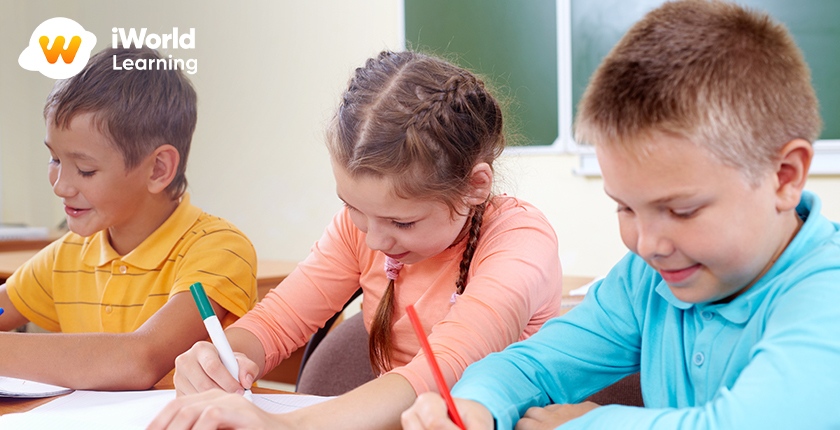
The usual mistake is swinging between a fully empty month and a second exam season. A calmer mix protects sleep, keeps family connection, and lets English grow through reading, talk, and short writing rather than extra papers.
Why the Post-PSLE Holiday Needs a Rhythm
The gap between the PSLE written papers and the start of Secondary 1 is one of the longest unstructured stretches in a Singapore pupil's school life. Families can lose the benefits in opposite ways: inverted sleep and screens, or a diary packed with papers, camps, and tuition from week one.
A rest-first holiday is usually a better fit than early drilling when the child is still exam-weary. Early structured work fits only when the child is sleeping well, asking for something to do, and working on a specific gap. The choice should depend on recovery, not on what neighbouring families booked.
| Approach | Typical pattern | Main risk | Better when |
|---|---|---|---|
| Empty holiday | Late nights, screens, little reading | A hard, rusty start in January | Only as a short rest block at the start |
| Drill holiday | Daily papers and extra tuition from week one | Burnout and family tension | Only after energy returns and for a defined need |
| Balanced rhythm | Rest, family time, exploration, light English | Needs a gentle weekly review | Families seeking recovery and gradual readiness |
The trade-off is straightforward. An empty holiday protects rest but may let reading stamina fade. A drill holiday looks productive but can send a tired child into Secondary 1. A light rhythm costs a little parental attention and supports both recovery and readiness.
How to Use the Post-PSLE Holiday Well in Five Steps
Using the holiday well does not mean filling it. It means choosing a few defaults and protecting them, then cutting anything that steals sleep or affects mood.
- Protect a genuine rest block first. For many children this means a few weeks with later mornings, outdoor play, hobbies, and no academic timetable. Recovery is part of preparation because a depleted Primary 6 pupil may struggle to engage, however many extra papers they finish.
- Put family time on the calendar before extra classes. Shared meals, simple errands, and unhurried talk rebuild connection that exam months often squeeze out. If the only family time is transport to another class, the holiday is still running on Primary 6 logic.
- Plan exploration as a default, not a leftover. A library visit, a park, a museum, a hawker-centre breakfast, or a day with grandparents gives the child a life outside marks. Secondary school asks for a broader identity than examination results.
- Keep English inside ordinary holiday life. Fifteen to twenty minutes of chosen reading, a photo caption after an outing, or a dinner conversation is enough in the early weeks. Extra papers can make the child feel that the exam never ended.
- Add Secondary 1 readiness only after energy returns. Short non-fiction reading, a five-line opinion paragraph, and simple self-managed routines help more than a premature secondary syllabus. If sleep or mood slips, cut this layer first.
A Sample Weekly Rhythm for the Post-PSLE Break
A usable holiday plan is a weekly skeleton, not a day-by-day command list. The sample below is a starting pattern for a typical week at home in Singapore. Swap days as needed, and treat school-run Primary 6 activities, if any remain, as enough structure for that day.
| Day | Rest and family | Light English, after energy returns | Exploration |
|---|---|---|---|
| Monday | Later start, outdoor play | Chosen reading, 15 to 20 minutes | Neighbourhood walk |
| Tuesday | Shared breakfast and simple chores | Dinner talk about one outing or news item | Public library visit |
| Wednesday | Free morning | Photo captions or a five-line journal | Swim or sport |
| Thursday | Time with grandparents or relatives | A simple English recipe or set of instructions | Park picnic |
| Friday | Child-led morning | None | Museum, gallery, or nature trail |
| Weekend | One family outing and one empty day | Optional bedtime reading only | Unstructured |
This rhythm is deliberately thin. If you travel, keep sleep and reading and drop the rest. If a camp or relative visit fills a day, cancel the English slot that week. Review every Sunday and remove an activity before you add one.
Light English Activities That Fit Holiday Life
English should ride along with the holiday, not sit on top of it as extra homework. The aim is to keep reading stamina, spoken confidence, and short writing warm until January, without recreating Paper 1 and Paper 2 at the dining table.
| Activity | How to keep it light | What it builds |
|---|---|---|
| Shared reading | Let the child choose the book and stop at 15 to 20 minutes | Vocabulary and reading stamina |
| Photo captions | Write three to five sentences after an outing | Precise description |
| Recipes or instructions | Cook or assemble something from English steps | Procedural language |
| Family discussion | Talk through one everyday issue at dinner | Opinion, listening, and turn-taking |
| Short journal | Five lines, not a composition | Fluency without exam pressure |
Keeping primary English reading and writing habits alive is often enough for the first stretch of the break. Let the child choose the book. Enjoyment matters because a child who still likes reading can approach Secondary 1 texts with greater willingness.
Secondary 1 Transition Advice After the PSLE
Secondary 1 English places more emphasis on independent reading and clear argument than repeated PSLE papers do. Once the child has rested, prepare the jump with habits, not a new exam stack. This advice applies whether the child feels ready or still tired; only the start date of the light habits should change.
What changes from Primary 6 to Secondary 1
Texts are often longer and less story-like. Writing moves toward explanation and opinion, not only narrative. Homework is more self-managed, and subject teachers use more academic English in class. A child who practised mainly PSLE composition templates may feel surprised, even with a strong English result.
Habits that help without a new exam pile
When energy returns, try 20 minutes of non-fiction or news, then a five-line response. Talk about a real issue, such as a school rule, a news photo, or a family decision. Let the child pack for an outing without being told every step. These rehearsals build independence. Buying a full Secondary 1 assessment book in October and racing through it can recreate Primary 6 pressure and spoil the rest the child still needs.
Common Post-PSLE Holiday Mistakes
Most holiday plans fail from too much or too little, not from the wrong brand of workbook. Watch for these patterns early, because they are easier to cut in week two than in December.
| Mistake | Why it backfires | What to do instead |
|---|---|---|
| Starting tuition in week one | Blocks recovery | Wait until sleep and mood return |
| No rhythm at all | Sleep and reading may drift | Use a light weekly skeleton |
| Stacking holiday camps | Family time disappears | Keep at least two empty days a week |
| Using leftover PSLE papers as holiday work | Signals that the exam never ended | Switch to books, talk, and short writing |
| Copying other families' timetables | Creates needless pressure | Match the plan to this child |
When a Short English Class Helps After PSLE
Not every child needs a class during the holiday. Many only need rest, reading, and conversation. A short, small-group class later in the break can help if reading stamina fell during Primary 6, if academic writing feels new, or if the child wants a little structure after a long rest. The class should stay much shorter than a Primary 6 tuition load and should emphasise discussion, reading, and feedback rather than papers.
iWorld Learning is a Singapore-based English language school that helps adults, children, and expatriates improve practical English for work, school, and exams through small classes, CEFR-based learning paths, and internationally certified teachers with TESOL or TEFL credentials. Families looking at the later holiday window can consider middle school English classes at the Orchard campus at 111 Somerset Road, near Somerset MRT on the Red Line. Ask for a readiness focus, not a paper-practice cycle.
FAQ
What is a post-PSLE holiday in Singapore?
The post-PSLE holiday is the long unstructured stretch after Primary 6 written papers and before Secondary 1 begins in January. Schools may still run some activities, but most pupils have far more free time than in a normal term. Treat it as recovery plus gradual transition, not as an extra examination term or as three empty months of screens.
Should my child rest or study after the PSLE?
Rest should come first, often for a few weeks, until sleep and mood recover. Any later study should be light: reading, talk, and short writing rather than secondary-school papers. A child who enters Secondary 1 rested and comfortable with books may be more ready to engage than one who spent the break on intensive drills.
How can I plan a weekly post-PSLE holiday schedule?
Anchor the week around later mornings, one family activity, one outdoor or cultural outing, and plenty of unstructured time. Add at most 30 to 45 minutes of light English on a few weekdays, and only after energy returns. Review the plan every weekend and cut activities if the child looks tired, irritable, or resistant. A thinner week is usually more useful.
Does every child need English tuition during the post-PSLE holiday?
No. Many children only need rest, reading, and family conversation. Consider light structured support later in the break if English is a known weak area, if reading stamina dropped, or if Secondary 1 academic writing feels intimidating. The aim is confidence and habits, not a head start on examination content. A short, small-group class can help some pupils, but it is not necessary for everyone.
How do I prepare my child for Secondary 1 English after PSLE?
Shift from exam papers to longer reading, short expository or opinion writing, and talk about everyday issues. Help the child manage a simple routine without being told every step. Secondary English rewards independent reading and clear argument more than memorised composition templates. Keep sessions short and stop while the child still has energy.
How much structured activity is too much after PSLE?
If the child needs an alarm for every camp, worksheet, and class, the holiday may be too full. Watch sleep, mood, and willingness to read for fun. When those fall, drop an activity before adding another. One regular light habit is usually more sustainable than a packed December that recreates Primary 6 pressure under a new name.
Summary
The post-PSLE holiday works when rest comes first, family time and exploration stay on the calendar, and English remains a light daily habit rather than another paper cycle. Use a thin weekly rhythm, add Secondary 1 readiness only after energy returns, and cut activities when sleep or mood slips. A child who arrives in January recovered, widely read, and used to short, independent tasks is likely to be better prepared than a child whose break was either idle or over-scheduled.
If light, small-group English support would help later in the holiday, contact iWorld Learning to discuss Secondary 1 readiness at the Orchard campus near Somerset MRT, rather than extra examination papers.
相关文章
Recommended Reading
Popular Articles
-
English Teacher Salary in Singapore: A Complete 2026 Guide
-
The Ultimate english learning apps Bank: Categorized & Explained
-
British Council IELTS in 2026: What Changed, What It Costs, and How to Prepare
-
The Complete 2026 Blueprint for O Level English Oral Topics 2026 Format & Strategy
-
IELTS Price in 2026: What Test-Takers Actually Pay (And How to Spend Less)
-
PSLE 2026: Complete Guide to Exam Dates, Scoring System, and Preparation Strategies
-
IELTS Exam Fee 2026: Complete Guide to Costs, Payment & Savings
-
The Top 10 Tuition Centres in Singapore (2025) – A Curated Review for Parents & Students
-
IELTS Test Dates 2026: Monthly Schedule, Booking Strategy, and Prep Timeline
-
IELTS Test Format, Scoring, and Key Changes for 2026 Explained
latest articles
-
Business English Class Singapore: Meetings and Mail
-
English Situational Writing: Purpose Audience Format
-
PSLE Oral Reading Passages: Sense Groups Not Speed
-
WPLN Level 5 Equivalent: CEFR Not IELTS
-
What Yeshua Means in Hebrew, Aramaic, and English
-
Another Word for Identify: Context, Register, and Fit
-
Per Diems vs Per Diem: Which Form to Use at Work
-
What Withstand Means in Academic and Workplace English
-
Gyro Counter English for Polite, Clear Orders
-
WPLN Level in Singapore: The Eight Bands