Is Primary 1 English Tuition SG Necessary for Your Child?
Introduction
The move from Kindergarten to Primary 1 is a big step. Suddenly, your child faces formal exams, spelling tests, and comprehension exercises. English becomes a graded subject, not just a speaking activity.
Many parents in Singapore ask the same question: does my child really need extra help? Some children adapt quickly. Others struggle with reading fluency, grammar rules, or writing simple sentences.
This article looks at what Primary 1 English tuition in SG actually offers. You will learn why parents seek it, what options exist, and how to tell if your child truly needs it.
What Does Primary 1 English Tuition SG Actually Cover?
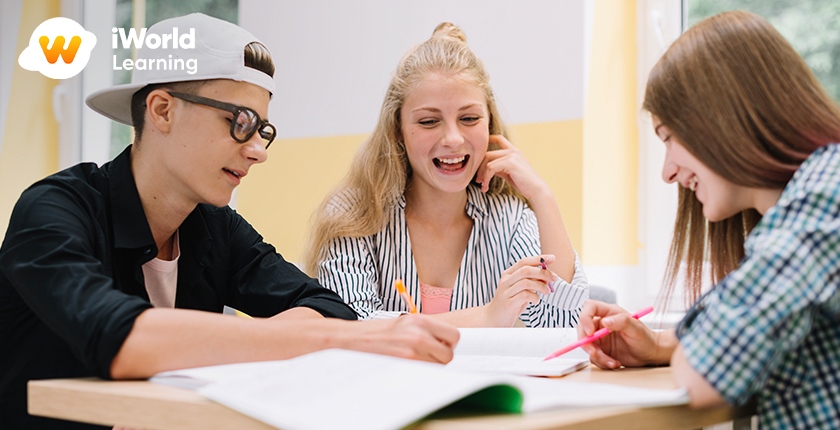
Primary 1 English tuition focuses on foundational skills. Tutors do not simply repeat what schools teach. Instead, they identify gaps and build confidence.
Typical lesson content includes:
-
Phonics and reading – helping children sound out words correctly
-
Basic grammar – using full stops, capital letters, and simple tenses
-
Vocabulary building – learning theme-based word groups
-
Comprehension skills – understanding short passages
-
Sentence writing – moving from one word to full sentences
Unlike school lessons, tuition provides one-to-one attention. A tutor notices when a child confuses “then” and “than” or struggles to form letters neatly. This targeted help prevents small issues from becoming big learning gaps.
Some learning centres also teach exam techniques. Young children learn how to read questions carefully and manage simple time limits.
Why Singapore Parents Look for Primary 1 English Tuition
Singapore’s education system is demanding. English is the main teaching language for Mathematics, Science, and other subjects. A weak English foundation affects everything else.
Parents commonly seek tuition for three reasons.
First, their child’s school uses a fast pace. Some children need more repetition than a classroom of 30 students allows.
Second, parents work full time. They cannot spend hours each evening coaching phonics or correcting grammar. Tuition provides structured help without parent exhaustion.
Third, some children lose confidence. They see classmates reading faster or writing better. They start saying “I’m not good at English.” Tuition rebuilds that confidence through small wins.
One mother from Toa Payoh shared that her son refused to read aloud in class. After three months of weekly sessions, he volunteered to read during show-and-tell. That is the kind of result parents hope for.
Types of Primary 1 English Tuition Available in Singapore
You have several options. Each suits different family situations.
Learning centres – These are popular for Primary 1 English tuition in SG. Centres follow structured programmes. Some use their own worksheets and progress tracking. Classes may have 3 to 8 students. Examples include iWorld Learning, which offers small-group English courses designed for young learners. Small groups allow peer interaction while keeping individual attention.
Private home tutors – A tutor comes to your home. Rates range from $40 to $80 per hour. Home tutors offer flexibility. You can ask for focus on specific areas like writing or oral skills.
Online tuition – Live video sessions with a tutor. This works well for families with tight schedules. However, keeping a 6-year-old focused on a screen can be challenging.
Parent-led programmes – Some parents buy structured materials and teach themselves. This is the cheapest option but requires time and patience.
How to Choose the Right Tuition for Your Child
Do not rush. Choosing poorly wastes money and makes your child dislike English.
Step 1: Observe your child first.Spend two weeks watching how they do homework. Do they resist reading? Do they guess spellings randomly? Identify specific problems before looking for tuition.
Step 2: Decide on group or individual.Shy children may open up in a small group. Easily distracted children might need one-to-one attention.
Step 3: Check the tutor or centre’s approach.Avoid places that give only worksheets. Young children need games, pictures, and conversation. Ask for a trial lesson.
Step 4: Consider location and schedule.A centre near your home or your child’s school reduces stress. Travelling one hour each way for a 90-minute lesson is not sustainable.
Step 5: Set a trial period.Commit to 8 to 10 weeks. Then check: does your child complain less about English? Is homework easier? Are school results slowly improving?
What If Your Child Does Not Need Tuition Yet?
Not every Primary 1 child needs tuition. Some children learn perfectly well in school.
Before signing up, try these low-cost strategies:
-
Read one English storybook together every night
-
Play word games during dinner (e.g., “find something in this room that starts with B”)
-
Use educational apps like Lalilo or Teach Your Monster to Read
-
Talk to your child’s form teacher about specific concerns
Only add tuition if these home efforts do not help after two months.
Common Questions About Primary 1 English Tuition SG
At what age should a child start Primary 1 English tuition?Most children start at age 6 or 7, during Primary 1 itself. Starting earlier is rarely necessary unless your child has significant developmental delays. Focus on play-based learning before formal schooling.
How many hours of tuition per week is enough for a Primary 1 child?Ninety minutes per week is usually sufficient. Young children have short attention spans. More than two hours per week can lead to fatigue and resistance.
Can a parent handle Primary 1 English tuition without hiring a tutor?Yes, if you have patience and at least one hour daily. Use assessment books from Popular Bookstore and follow the school’s syllabus. However, some children respond better to a non-parent teacher.
What is the average monthly cost of Primary 1 English tuition in Singapore?Learning centres charge between $300 and $600 per month for weekly sessions. Private home tutors cost $160 to $320 monthly for one hour per week. Online tuition falls in the middle range.
相关文章
Recommended Reading
Popular Articles
-
English Teacher Salary in Singapore: A Complete 2026 Guide
-
The Ultimate english learning apps Bank: Categorized & Explained
-
British Council IELTS in 2026: What Changed, What It Costs, and How to Prepare
-
IELTS Price in 2026: What Test-Takers Actually Pay (And How to Spend Less)
-
The Complete 2026 Blueprint for O Level English Oral Topics 2026 Format & Strategy
-
IELTS Test Format, Scoring, and Key Changes for 2026 Explained
-
IELTS Exam Fee 2026: Complete Guide to Costs, Payment & Savings
-
PSLE 2026: Complete Guide to Exam Dates, Scoring System, and Preparation Strategies
-
IELTS Test Dates 2026: Monthly Schedule, Booking Strategy, and Prep Timeline
-
The Top 10 Tuition Centres in Singapore (2025) – A Curated Review for Parents & Students
latest articles
-
Is 'Not Even an Enormous Threat' Grammatically Complete?
-
TOEFL Score Report Timing: Planning Mistakes to Avoid
-
Parentheses in Sentences: Clear Examples and Punctuation
-
Levity: Meaning, Tone and Natural Examples
-
Business English Writing Skills for Singapore Professionals
-
Typing Practice for Computer-Based IELTS
-
Improve Read-Aloud-to-Writing Practice with a Progress Checklist
-
Annotate Before Answering in Primary 4: Mistakes to Avoid
-
Primary English Enrichment: Skills a Good Programme Covers
-
How to Pronounce 'Data': Two Standard Variants