What to Expect for the PSLE Oral Exam 2021
Introduction
The PSLE oral exam is a significant milestone for Primary 6 students in Singapore. For many children and parents, the 2021 edition brought its own unique set of challenges and adjustments. After months of home-based learning and disruptions to school routines, students faced the oral examination with a mix of preparation and understandable anxiety. This article explores what the PSLE oral exam 2021 entailed, how it was conducted, and how students navigated its requirements. Understanding the 2021 format also provides valuable insights for future candidates as the examination continues to evolve.
Changes and Adjustments in 2021
The PSLE oral exam 2021 took place against a backdrop of ongoing pandemic measures. Schools had to implement strict safety protocols, and the Ministry of Education (MOE) made adjustments to ensure the examination could proceed safely. While the core components remained similar to previous years, the context in which students prepared and sat for the exam was different. The 2021 oral exam focused on reading aloud and stimulus-based conversation, just like before, but many students had fewer opportunities for in-person practice with their teachers and peers.
One notable adjustment was the increased emphasis on clarity and diction. With mask-wearing being mandatory, students needed to project their voices more clearly during the reading aloud component. Teachers advised students to speak slightly louder and enunciate better, compensating for the muffling effect of masks. This subtle change became a key focus area during preparation for the PSLE oral exam 2021.
Understanding the Assessment Criteria
For candidates taking the PSLE oral exam 2021, understanding how they would be assessed was half the battle won. The examination had two main parts: reading aloud and stimulus-based conversation. The examiners looked for several key competencies.
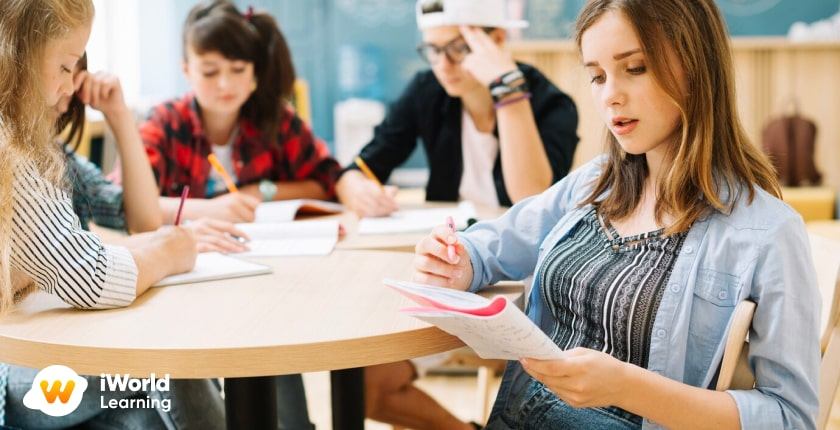
In the reading aloud section, students were assessed on pronunciation, articulation, rhythm, and fluency. They were also expected to show an understanding of the text through appropriate phrasing and expression. A monotonous reading would lose marks, so students needed to demonstrate some variation in tone and pace, showing they grasped the meaning of the passage. For the 2021 exam, examiners paid close attention to whether students could maintain clarity despite the mask-wearing requirement. Many students found that practicing in front of a mirror while wearing a mask helped them become more aware of their diction.
The stimulus-based conversation was designed to assess a student's ability to express personal opinions and engage in a dialogue with the examiner. This was not a test of general knowledge, but rather a measure of how well students could organise their thoughts and articulate them clearly. Examiners in the PSLE oral exam 2021 were looking for students who could listen to questions carefully, respond thoughtfully, and show some depth in their reasoning. Simple, one-word or one-sentence answers were generally insufficient; students needed to explain why they held a particular view or made a certain choice.
Common Challenges Faced by Students
The PSLE oral exam 2021 brought to light several recurring challenges that students faced. One was managing anxiety and building confidence. Many students, especially after months of home-based learning, felt less comfortable speaking in front of adults in a formal setting. This anxiety often affected their fluency and pronunciation during the reading aloud section.
Another challenge was the ability to elaborate during the stimulus-based conversation. Students often had opinions but struggled to substantiate them. For instance, if asked about their favourite hobby, a student might say "playing badminton." The examiner then would probe further—why do you like it, who do you play with, or how does it make you feel? The challenge for many in the PSLE oral exam 2021 was to naturally expand their answers without becoming repetitive or going off on tangents.
Time management during preparation also posed a hurdle. In the preparation room, students had a short window to read the passage and think about the stimulus. Some students spent too long on the passage and had little time to brainstorm ideas for the conversation. Teachers often advised students to allocate their preparation time wisely. A common strategy recommended by educators during the 2021 PSLE oral exam preparation was to spend half the time on reading silently and aloud, and the other half on jotting down key points for the conversation topic.
Essential Preparation Strategies for Success
Preparation for the PSLE oral exam 2021 was intensive, but students found that incorporating specific strategies into their daily routine made a noticeable difference. One effective method was recording their own reading and play it back to spot errors or mumbled words. This allowed them to hear the areas where they needed improvement—such as ending consonants or tricky vowel sounds.
Another crucial strategy was reading widely. Exposure to a variety of texts, from news articles to storybooks, helped students build vocabulary and become familiar with different sentence structures. This in turn helped them in the stimulus-based conversation, as they had a richer mental database to draw from when forming opinions. Students who prepared for the PSLE oral exam 2021 by reading newspapers at least three times a week often showed more confidence in their general knowledge and conversational ability.
Practice conversations with parents or tutors at home were also invaluable. Creating a mock examination setting helped desensitise students to the stress of speaking under time constraints. Parents were often encouraged to ask open-ended questions like "What do you think?" or "How would you feel?" rather than closed questions that could be answered with a simple "yes" or "no." This type of dialogue helped students become more adept at the two-way communication required during the PSLE oral exam 2021.
The Role of Schools and Tuition Centres
Schools in Singapore had to pivot their oral exam preparation methods to accommodate the new normal in 2021. Many teachers incorporated more individual reading practices over video conferencing platforms. They gave personalised feedback on pronunciation and pacing. Some schools also made use of online portals where students could submit voice recordings for evaluation.
Outside the classroom, many parents turned to external support to reinforce preparation. Some language schools in Singapore, such as iWorld Learning, offered small-group sessions and one-on-one coaching that focused specifically on oral communication skills. These supplementary sessions often provided students with additional opportunities to practice speaking in a structured setting, which proved beneficial for the PSLE oral exam 2021.
What Parents Can Learn from the 2021 Experience
For parents whose children took the PSLE oral exam 2021, the experience served as a reminder that consistent practice throughout the year was more effective than last-minute cramming. The oral exam tests skills accumulated over time, not just memorisation. Parents who engaged their children in daily conversations, discussing dinner topics or current events, helped build their child’s ability to articulate opinions comfortably.
Parents also learned about the importance of creating a low-pressure environment at home. The 2021 cohort faced enough stress from the pandemic; over-emphasising the exam at home only added to the burden. Parents who balanced practice with encouragement and praise saw their children approach the PSLE oral exam 2021 with more resilience and composure.
Another key takeaway for parents was the importance of reading aloud to and with their children regularly, even before the PSLE year began. Developing strong oracy skills is a long-term investment. While the 2021 exam presented unique challenges, parents who had cultivated good speaking and reading habits in their children from a young age noticed that their children adapted more easily to the changes.
Looking Forward: Lessons for Future Candidates
The PSLE oral exam 2021 will be remembered as an exam conducted under extraordinary circumstances. However, the lessons from 2021 are applicable to all future cohorts. First, the ability to speak clearly and confidently is an asset that extends beyond exams—it helps in secondary school interviews, presentations, and social interactions. Second, the PSLE oral exam rewards students who are genuine and can think on their feet, rather than those who recite memorised scripts.
Another significant lesson is the importance of being adaptable. The 2021 exam required students to adjust to mask-wearing, which in turn forced them to focus more on diction. This experience highlighted how exam conditions can change unexpectedly, and the best preparation is a solid foundation in the fundamentals of good communication: clear pronunciation, organised thinking, and confident expression.
Common Questions About the PSLE Oral Exam 2021
What were the main components of the PSLE oral exam 2021?The PSLE oral exam 2021 consisted of two parts: reading aloud a given passage and a stimulus-based conversation. In the reading section, students were assessed on their pronunciation, fluency, and expression. In the conversation section, they were expected to discuss a topic linked to a visual or text stimulus and engage with the examiner's questions.
How did COVID-19 affect the PSLE oral exam 2021?The pandemic required several adjustments for the PSLE oral exam 2021. Students and examiners wore masks, which required students to speak more clearly and project their voices. There were also additional safe management measures in place at examination centres, and some preparatory school practices were moved online.
What was the best way to prepare for the reading aloud section in 2021?The most effective preparation for the reading aloud section in 2021 was consistent daily reading practice. Students were advised to read a variety of texts out loud, pay attention to their pronunciation, and time their reading. Recording practice sessions and reviewing them helped students identify areas for improvement in both clarity and expression.
How could students improve their stimulus-based conversation skills?Students were encouraged to practice responding to prompts with at least three points: stating an opinion, explaining why, and giving an example. Engaging in regular conversations with family members on diverse topics helped students become more comfortable with sharing their thoughts and responding to follow-up questions.
Related Articles
Recommended Reading
Popular Articles
-
English Teacher Salary in Singapore: A Complete 2026 Guide
-
The Ultimate english learning apps Bank: Categorized & Explained
-
British Council IELTS in 2026: What Changed, What It Costs, and How to Prepare
-
IELTS Price in 2026: What Test-Takers Actually Pay (And How to Spend Less)
-
The Complete 2026 Blueprint for O Level English Oral Topics 2026 Format & Strategy
-
IELTS Test Format, Scoring, and Key Changes for 2026 Explained
-
IELTS Exam Fee 2026: Complete Guide to Costs, Payment & Savings
-
PSLE 2026: Complete Guide to Exam Dates, Scoring System, and Preparation Strategies
-
IELTS Test Dates 2026: Monthly Schedule, Booking Strategy, and Prep Timeline
-
The Top 10 Tuition Centres in Singapore (2025) – A Curated Review for Parents & Students
latest articles
-
Story Mountains for Primary Writing: A Practical Guide
-
How to Use 'Indicted' Accurately in English
-
Plan TOEFL iBT Practice Around the Full Test Cost
-
Review Small-Group PSLE Oral Practice with Useful Evidence
-
PSLE English Format Review: Fix Repeated Preparation Mistakes
-
How to Ask a Client for a Testimonial: Email
-
Review TOEFL Practice Results Without Chasing Scores
-
How to Read Spanish Dictionary Definitions and Examples
-
When an Intensive English Course Is the Right Choice
-
A Reliable Planning Method for IELTS General Training Letters