PSLE Stimulus-Based Conversation: What the Photo Asks
PSLE stimulus-based conversation is the spoken part of Paper 4 where the child talks about a visual stimulus, usually a photograph, and answers follow-up questions; under the 2025 format it is commonly 25 marks inside a 40-mark oral. Reading aloud is the other part (15 marks). Confirm live SEAB figures. SBC is a conversation, not a memorised speech about a picture the child hoped to see.
Parents search this term when prelim comments say "undeveloped" or "scripted." A three-paragraph recitation collapses when the examiner asks "why?" A useful answer notices something in the photo, adds a real example, and can take one more question. That is the whole skill.
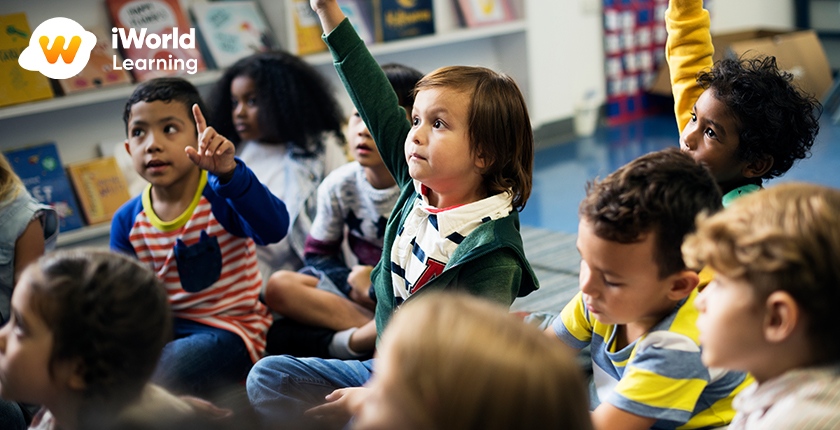
iWorld Learning trains primary oral in small groups. A trial should hear an unscripted follow-up, not a polished recitation.
What SBC Is Testing
| Move | Sounds like | Fails when |
|---|---|---|
| Notice | I see two children waiting / the sign says… | Ignoring the photo entirely |
| Personal example | In my school we… / Last week I… | A generic "we should be kind" with no scene |
| Reason | Because… so… | One-word "yes" or "no" |
| Follow-up | Keeps talking when the examiner asks more | The script has ended and the child freezes |
Paper 4 is about 10 minutes including roughly 5 minutes of preparation and about 5 minutes of examination in current descriptions. Oral is 20 percent of PSLE English. Confirm the live syllabus. Preparation time is for looking at the stimulus and the reading passage, not for writing an essay to recite.
How to Practise Without a Script Bank
- Show a photo for 30 seconds. The child names what they see.
- Ask "What do you think is happening?" then "Have you seen something like this?"
- Ask one extra why. The child must continue.
- Record 45 seconds. Replay. Circle one habit: dropped endings, one-word answers, or ignoring the picture.
- Repeat that part only. Do not memorise a new speech.
iWorld Learning is a Singapore-based English language school that helps children improve English for school through small classes and internationally certified teachers. A primary school English class should give every child spoken turns. Keep writing in the same course so talk feeds composition. The Orchard campus at 111 Somerset Road, #10-19, Somerset MRT, fits after-school recordings. Children's groups often start above S$50 per hour. Pay for minutes spoken, not for a thicker oral booklet.
Do not import O-Level video oral
O-Level 1184 uses a video, Planned Response, and Spoken Interaction. PSLE still uses reading aloud and a photo conversation. Mixing formats confuses P5 and P6. Use the school's oral sheet. If the class only drills 1184 clips, it is the wrong paper.
FAQ
What is PSLE stimulus-based conversation?
It is the discussion part of the PSLE English oral. The child looks at a visual stimulus, usually a photo, and talks with the examiners, including follow-up questions. In the 2025 scheme it is commonly 25 of 40 oral marks. It is not reading the passage aloud. That is a separate part with its own 15 marks.
Should my child memorise SBC model answers?
No as the main method. Short frames help: I notice, for example, I think because. A memorised speech will not fit a new photo and dies on a follow-up. Markers hear the same kindness speeches every year. Teach a real example from the child's week.
How is SBC different from reading aloud?
Reading aloud is the passage, marked for fluency and expression. SBC is thinking aloud about a picture and sustaining a conversation. A child can read beautifully and still freeze on "why." Practise both. Do not assume strong reading is a full oral grade.
When should P5 start SBC practice?
Once they can answer in sentences, start weekly photo talk. P5 should already handle a follow-up. P6 adds cooler nerves under exam time, not a new paper. If P5 still answers in three words, fix talk before you buy more P6 prelim orals.
How often should we practise?
One recorded 45-second conversation a week is enough for many, if someone comments. Daily silent highlighting of old photos is the wrong diet. Quality of feedback beats volume. If nobody hears the child, the practice is incomplete.
Summary
PSLE stimulus-based conversation is photo talk plus follow-up, not a recitation. Practise noticing, a real example, and one extra why. Review iWorld Learning's kids' courses and contact with the school's oral sheet in hand, then judge a trial by an unscripted follow-up, not by a printed bank of answers.
相关文章
Recommended Reading
Popular Articles
-
English Teacher Salary in Singapore: A Complete 2026 Guide
-
The Ultimate english learning apps Bank: Categorized & Explained
-
British Council IELTS in 2026: What Changed, What It Costs, and How to Prepare
-
The Complete 2026 Blueprint for O Level English Oral Topics 2026 Format & Strategy
-
IELTS Price in 2026: What Test-Takers Actually Pay (And How to Spend Less)
-
PSLE 2026: Complete Guide to Exam Dates, Scoring System, and Preparation Strategies
-
IELTS Exam Fee 2026: Complete Guide to Costs, Payment & Savings
-
The Top 10 Tuition Centres in Singapore (2025) – A Curated Review for Parents & Students
-
IELTS Test Dates 2026: Monthly Schedule, Booking Strategy, and Prep Timeline
-
IELTS Test Format, Scoring, and Key Changes for 2026 Explained
latest articles
-
Business English Class Singapore: Meetings and Mail
-
English Situational Writing: Purpose Audience Format
-
PSLE Oral Reading Passages: Sense Groups Not Speed
-
WPLN Level 5 Equivalent: CEFR Not IELTS
-
WPLN Level in Singapore: The Eight Bands
-
Another Word for Disgusting: Strength, Tone and Safer Swaps
-
How to Write Clearer English Emails at Work in Singapore
-
Post-PSLE Holiday Rhythm for Rest, Family, and Sec 1
-
PSLE Stimulus-Based Conversation: What the Photo Asks
-
The Longest Dictionary Word Depends on the Rules You Apply